
What Types of Commercial Doors Are Commonly Used in NYC Buildings?

Parker Custom Security • March 2, 2026

Share this article

Commercial buildings in New York City typically use metal doors, fire-rated doors, glass storefront doors, aluminum doors, reinforced security doors, and automatic ADA-compliant doors. The right choice depends on the building’s use, foot traffic, security needs, and NYC building code requirements.

Why Commercial Doors Matter More in NYC

Commercial doors in New York City do more than open and close.


They control access, protect tenants, support fire safety compliance, and handle constant daily use. Between high foot traffic, older building construction, and strict building and fire codes, choosing the wrong door can lead to inspection failures, safety concerns, or expensive replacements.


Across NYC, Westchester County, and Northern New Jersey, commercial properties often require doors that balance durability, security, and code compliance. Let’s break down the most common types used in local buildings.


Metal Commercial Doors

Metal doors are one of the most common door types used in NYC commercial properties.

Where they’re used:

  • Service entrances
  • Basements and storage areas
  • Mechanical rooms
  • Office corridors
  • Warehouse facilities


Metal doors are popular because they’re durable, impact-resistant, and built to handle heavy daily use. In busy commercial environments, lighter materials simply do not last as long.


Many metal doors can also be manufactured with fire ratings, which makes them especially useful in multi-tenant apartment buildings and office properties throughout Manhattan, Brooklyn, Queens, and the Bronx.


If long-term durability is the priority, metal doors are often the go-to solution.


Fire-Rated Doors

Fire-rated doors are not optional in many NYC buildings. They are required by code in specific areas.

Common locations:

  • Stairwells
  • Exit corridors
  • Mechanical rooms
  • Shared commercial spaces
  • Multi-unit residential hallways


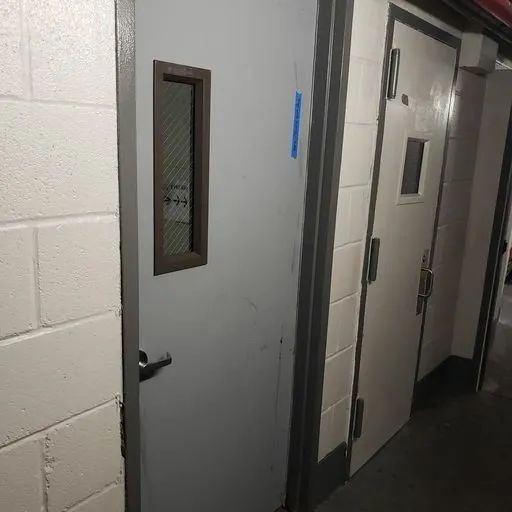
Fire-rated doors are tested to resist fire for a specific amount of time, typically 60, 90, or 120 minutes. The required rating depends on the building layout and use.


One of the most common issues we see across NYC commercial properties is improper installation or incorrect ratings. Even a door that looks solid can fail inspection if it does not meet FDNY or building code standards.


For property managers, understanding fire door requirements helps avoid violations and emergency replacements.


Fire Rated door at commercial business in NYC

Glass Storefront Doors

Glass storefront doors are widely used in retail, office, and commercial corridor spaces.

Common in:

  • Manhattan retail storefronts
  • Brooklyn commercial strips
  • Westchester shopping centers
  • Office lobbies


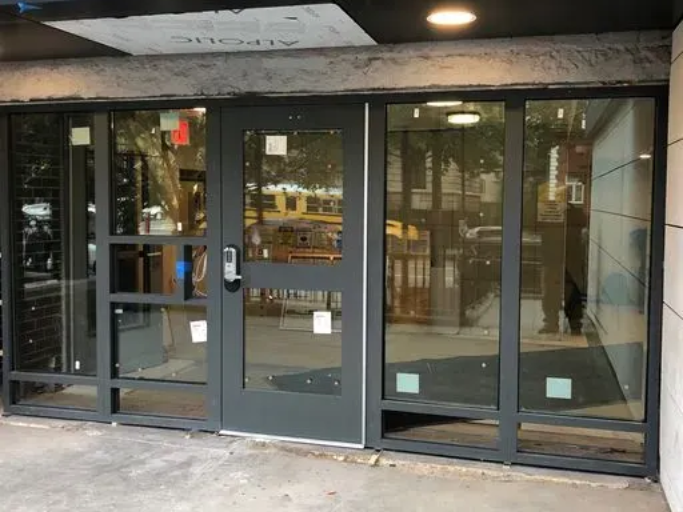
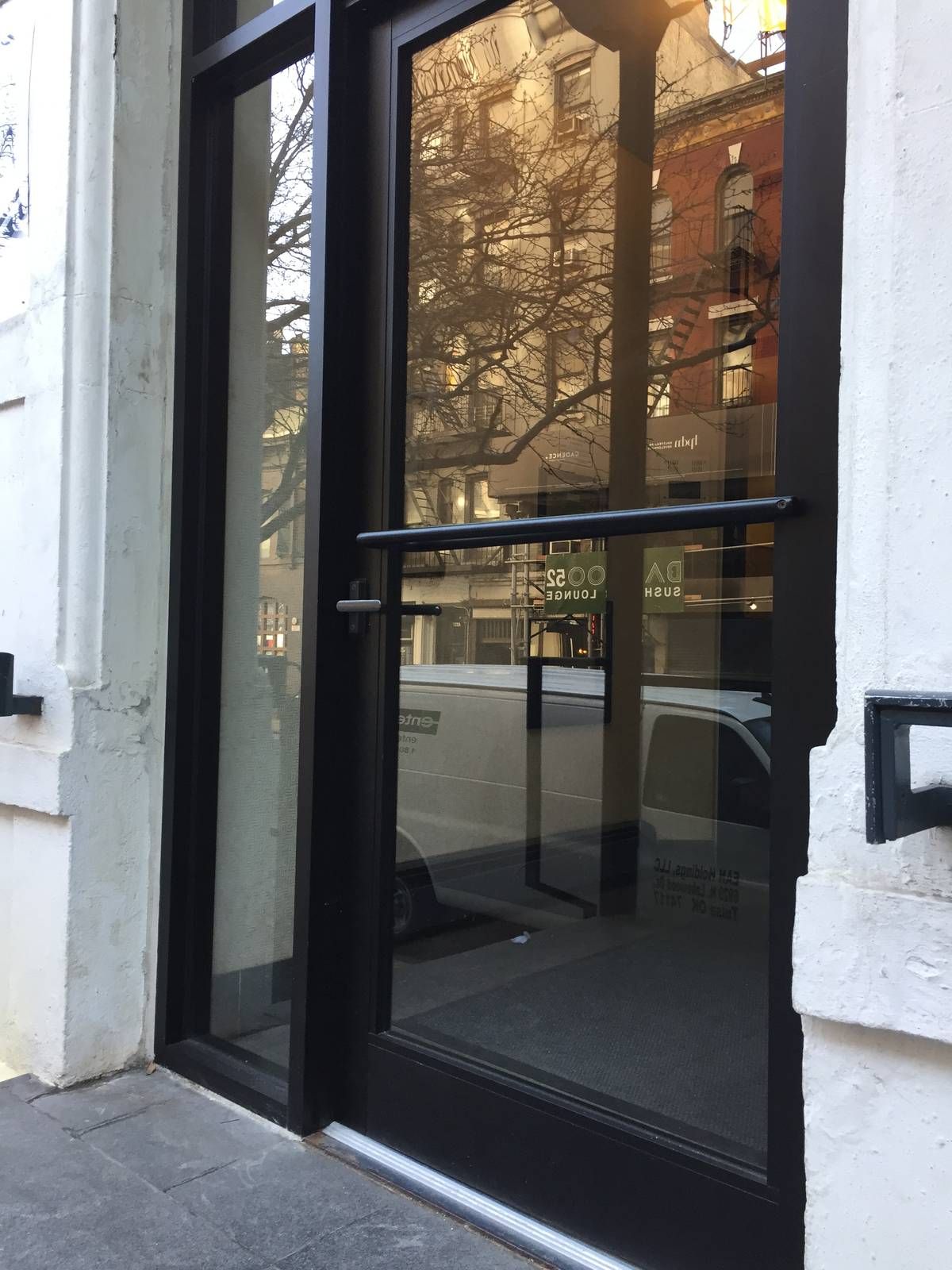
These doors provide visibility, natural light, and curb appeal. Most storefront systems use aluminum frames with tempered safety glass to meet code requirements.


While storefront doors enhance appearance, they must also be properly reinforced and secured, especially in high-traffic NYC environments.

Storefront doors are ideal when presentation and accessibility are priorities.


Reinforced Security Doors

Some commercial properties require enhanced protection beyond standard metal doors.

Reinforced steel security doors are commonly installed in:

  • Apartment building entrances
  • High-security office spaces
  • Storage facilities
  • Utility rooms


These doors often integrate with access control systems, intercoms, and surveillance systems to create a layered security approach.


In certain parts of NYC and Northern New Jersey, reinforced doors help deter break-ins and vandalism while maintaining compliance with local safety standards.


Glass storefront doors for a business in NYC

Automatic & ADA-Compliant Doors

Automatic doors are frequently used in public-facing and high-traffic buildings.

Common in:

  • Medical facilities
  • Schools
  • Government buildings
  • Large office complexes


These doors help meet ADA accessibility requirements while improving traffic flow.


In New York City, compliance with accessibility standards is critical, especially in buildings open to the public.


Automatic systems must be installed correctly to ensure safety sensors, hardware, and closing mechanisms function properly.


Choosing the Right Commercial Door in NYC, Westchester & Northern NJ

There is no one-size-fits-all commercial door.

The right door depends on:

  • Building use
  • Occupancy level
  • Security requirements
  • Fire rating requirements
  • Foot traffic
  • Integration with access control systems


Older buildings in Manhattan may require special frame modifications. Warehouses in Brooklyn may prioritize heavy-duty steel doors. Multi-tenant properties in Queens often need fire-rated corridor doors that meet inspection standards.


Understanding local building conditions is just as important as understanding door types.


Repair or Replacement — What Makes More Sense?

Many property owners ask whether a commercial door can be repaired or if it should be replaced.


In some cases, hardware upgrades, alignment adjustments, or hinge repairs can extend the life of an existing door. However, if the door no longer meets fire code requirements, has structural damage, or repeatedly fails inspections, replacement is often the safer long-term solution.


Evaluating repair versus replacement early can prevent emergency compliance issues later.


Frequently Asked Questions

  • What is the most durable commercial door?

    Metal and reinforced steel doors are typically the most durable for high-traffic commercial environments.

  • Are fire-rated doors required in NYC buildings?

    Yes, fire-rated doors are required in many stairwells, exit paths, and shared commercial spaces based on NYC building and fire codes.

  • How long do commercial metal doors last?

    With proper installation and maintenance, commercial metal doors can last many years, even in high-use environments.

  • What is the difference between commercial and residential doors?

    Commercial doors are built for higher traffic, stronger security, and stricter code compliance compared to residential doors.

  • How much does commercial door installation cost in NYC?

    Costs vary based on door type, fire rating, hardware, and building conditions. Metal and fire-rated doors typically require more specialized installation.

Commercial Door Installation & Repair in NYC

Choosing the correct commercial door is not just about material or appearance. It is about safety, compliance, durability, and long-term performance.


Parker Custom Security works with commercial property owners and managers throughout New York City, Westchester County, and Northern New Jersey to install, repair, and upgrade commercial doors, fire-rated doors, hardware, and integrated security systems.


If you’re unsure which type of commercial door your building requires, a professional evaluation can help ensure you choose the right solution the first time.


Contact Parker Custom Security today for a consultation at your property. Call (212) 491-5627 to request an appointment.


Parker Custom Security - 217 W 135th St, New York, NY 10030


Recent Posts

New black narrow-stile aluminum entrance door at 325 West 52nd Street in Hell's Kitchen, Manhattan
By Parker Custom Security Team • October 14, 2026
Parker Custom Security replaced the aluminum vestibule entrance doors and the hollow metal stair and roof doors at 325 West 52nd Street in Hell's Kitchen, Manhattan.
By Parker Custom Security Team • September 30, 2026
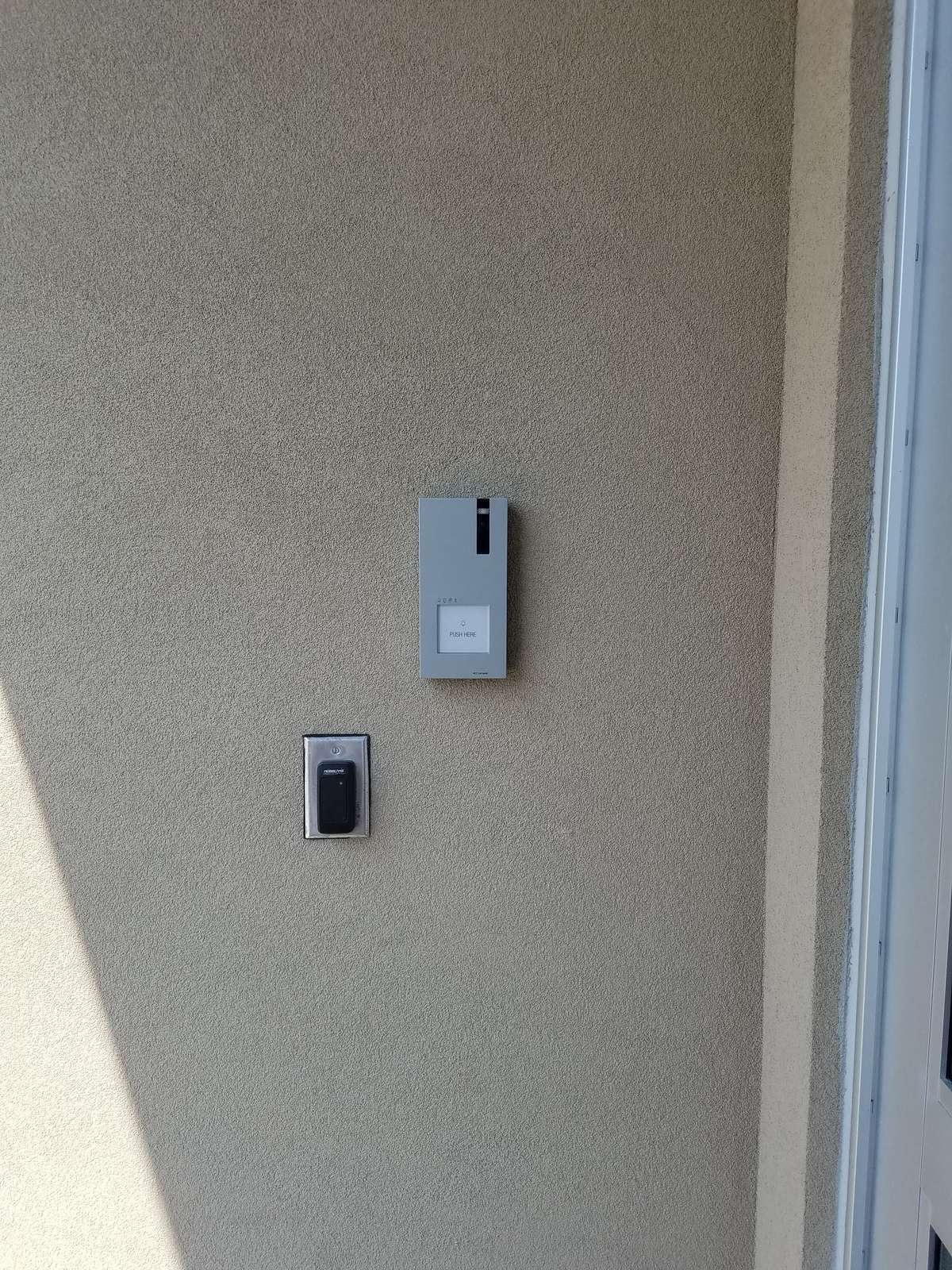
Parker Custom Security installed multi-door card access control, a hands-free video intercom, and a ceiling-speaker PA system at The Life Christian Church in West Orange, NJ.
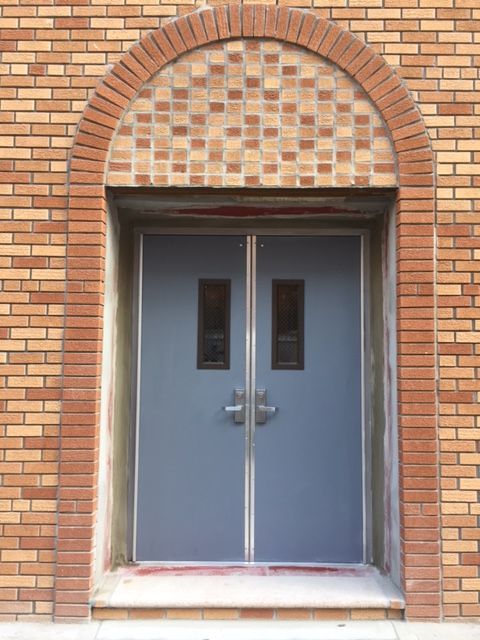
New fire-rated hollow metal double doors at Mount Horeb Church, 1788 Townsend Ave, Bronx NY
By Parker Custom Security Team • September 24, 2026
Parker Custom Security replaced worn entry doors at Mount Horeb Church in the Bronx with fire-rated hollow metal doors and vertical rod exit devices.
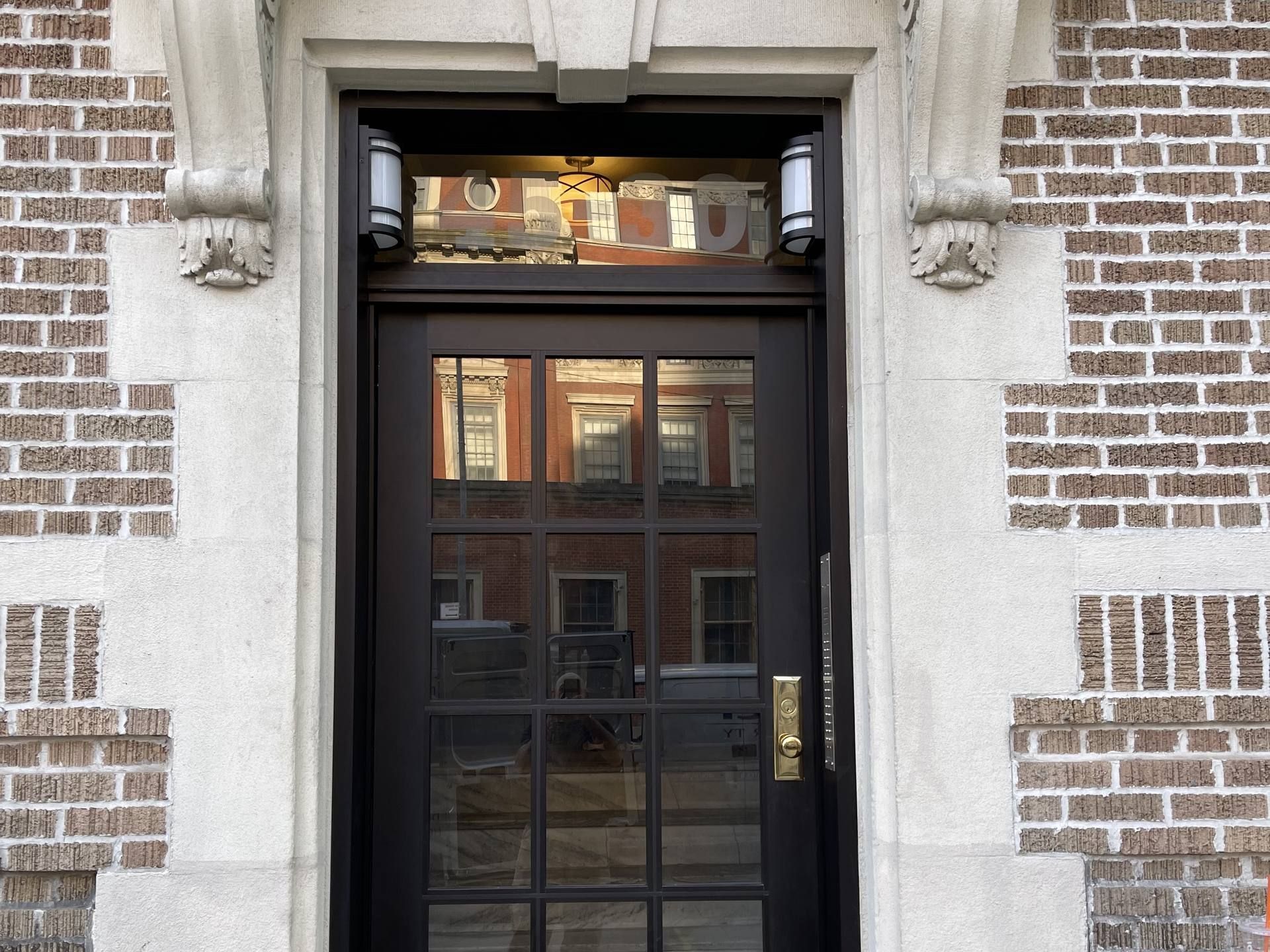
Self-locking glazed entrance door at a New York City apartment building, the entry governed by MDL 50-a
By Parker Custom Security Team • September 9, 2026
NY Multiple Dwelling Law 50-a requires intercoms in Class A buildings with 8+ apartments. Here is what compliance actually means, and what quietly breaks it.
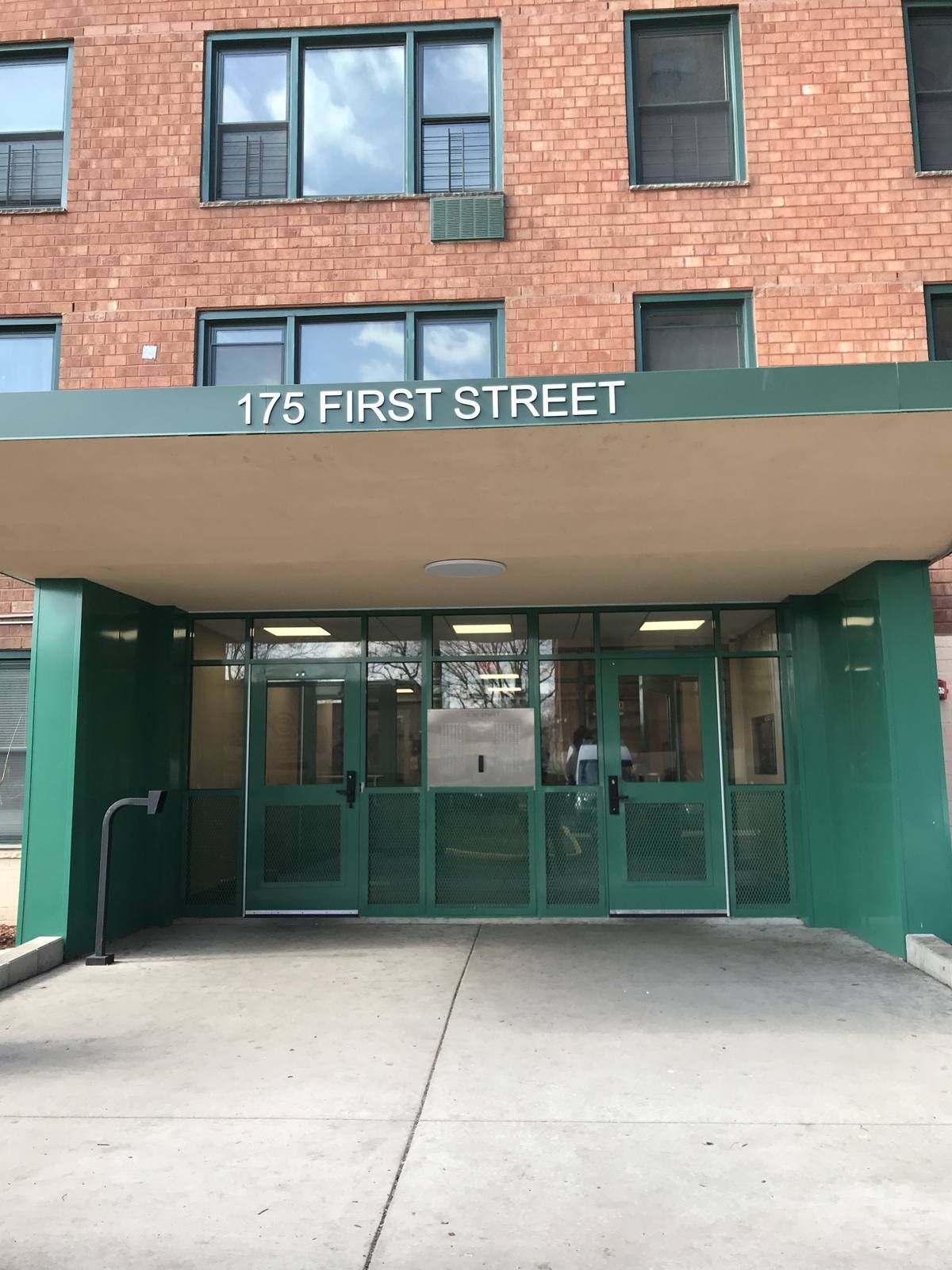
Completed aluminum storefront entrance at 175 First Street, Garden Spires, Newark NJ
By Parker Custom Security Team • September 4, 2026
Parker Custom Security installed 20+ storefront entrances and over 500 fire-rated apartment doors at Garden & Spruce Spires in Newark, NJ — all in occupied buildings.
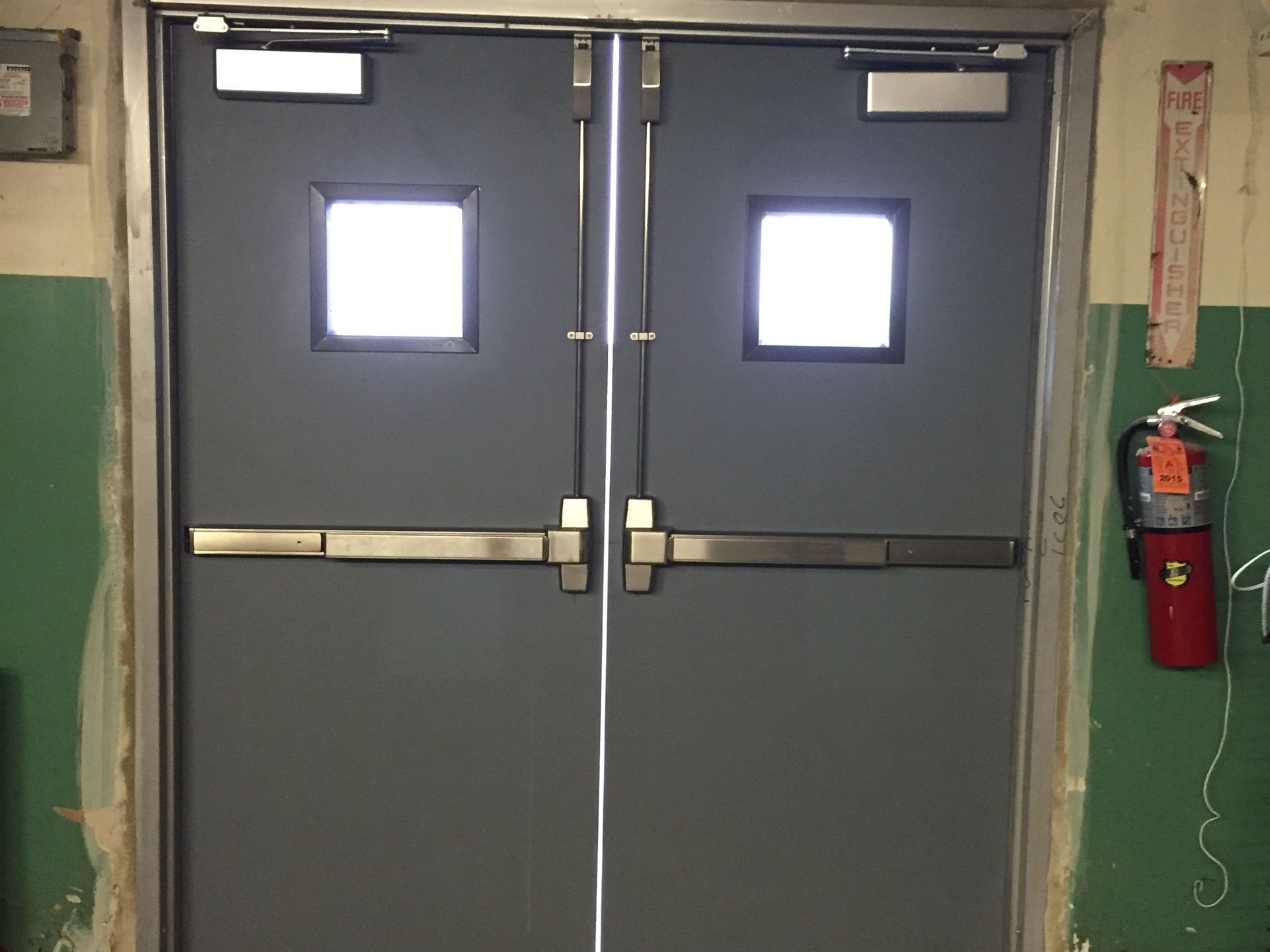
Modern commercial entrance doors with panic hardware and door closers by Parker Custom Security
By Parker Custom Security Team • September 2, 2026
Outdated keys, no audit trail, or constant door repairs? Here are 5 signs your commercial building needs a security upgrade — and what to do about it.
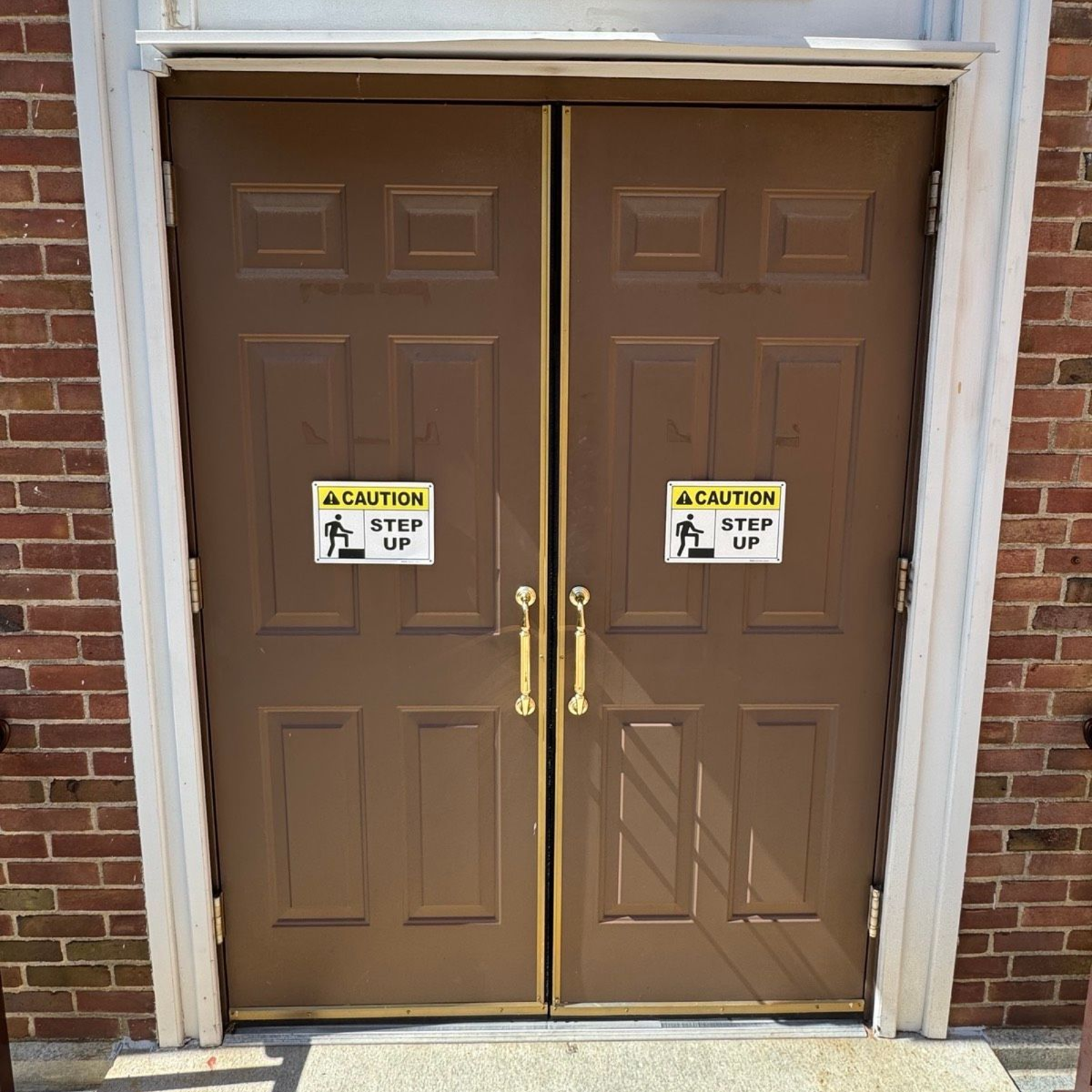
Exterior double entry doors with brass hardware at St. Clare's Church in Staten Island, NY
By Parker Custom Security Team • August 26, 2026
See how Parker Custom Security installed high-security locks and panic exit hardware across three entrance doors at St. Clare's Church in Staten Island, NY.
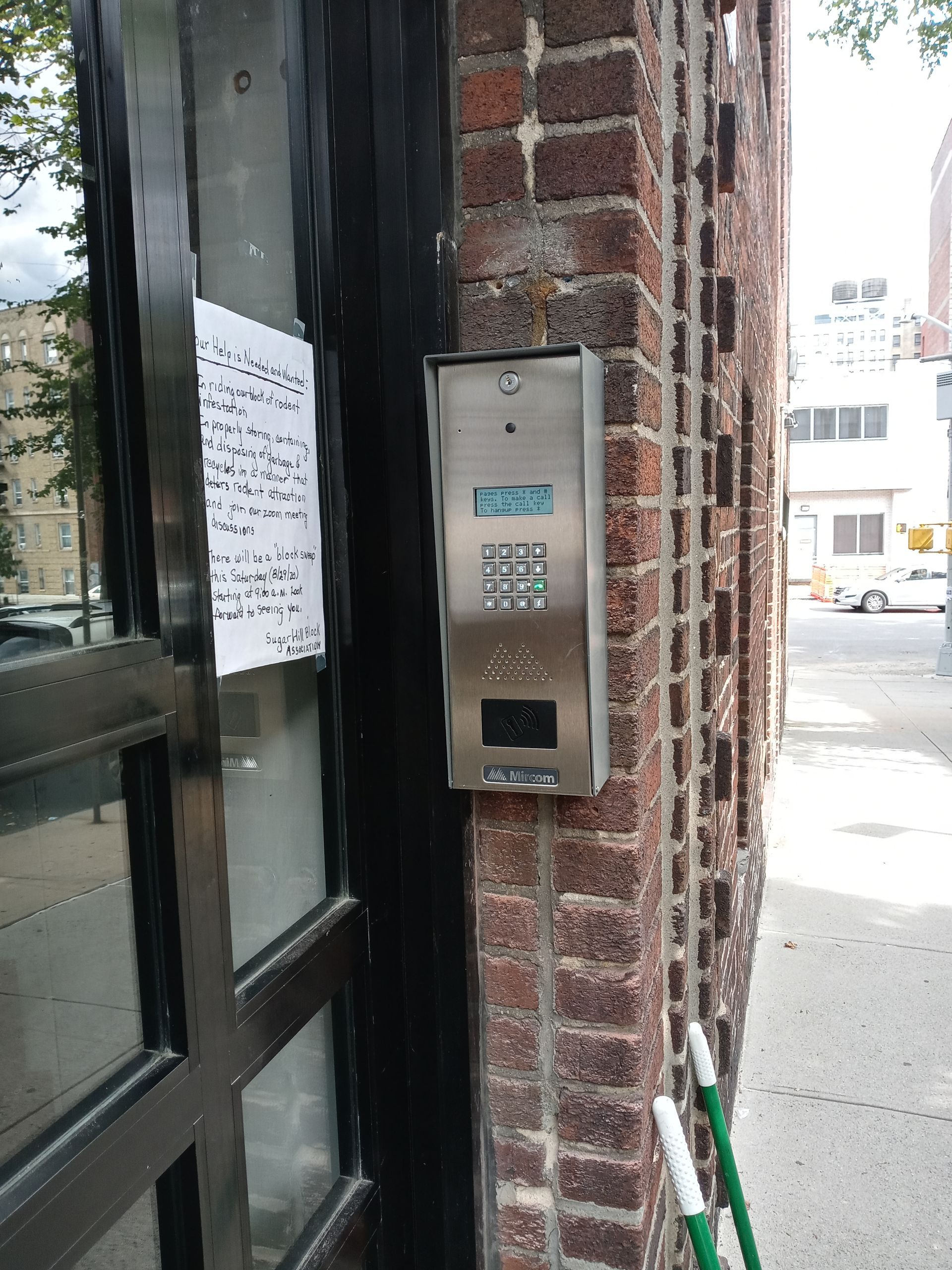
New Mircom intercom system mounted on brick exterior at a multi-tenant building entrance in Hamilton Heights, Manhattan
By Elad Snir • August 11, 2026
See how Parker Custom Security installed a new telephone-entry intercom system for a multi-tenant building in Hamilton Heights, Manhattan. Free estimates.
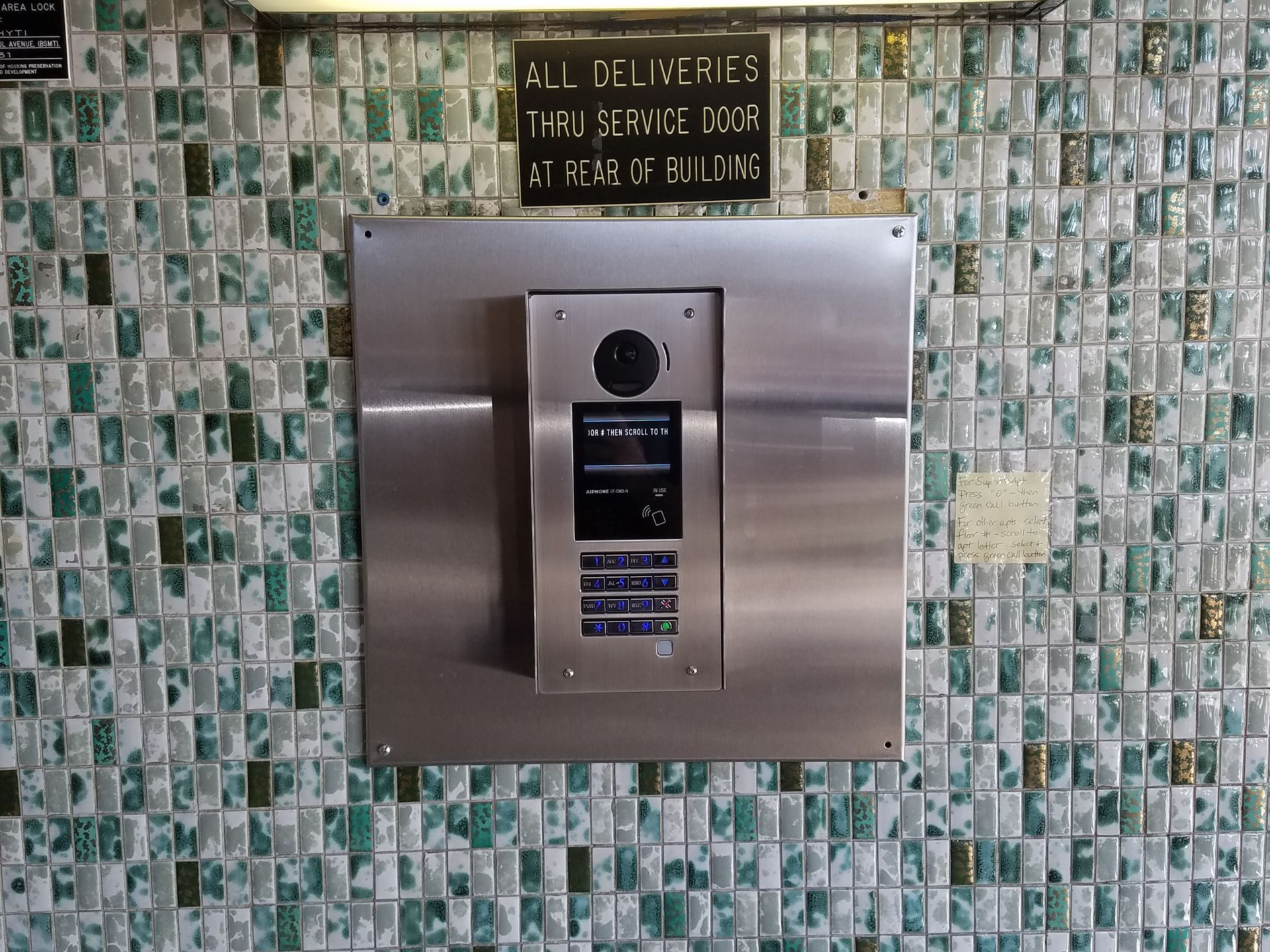
Aiphone GT-DMB-N video intercom panel installed in a Bronx apartment building lobby
By Parker Custom Security Team • August 6, 2026
See how Parker Custom Security installed an Aiphone GT Series video intercom system with layered access control in a Bronx, NY apartment building.
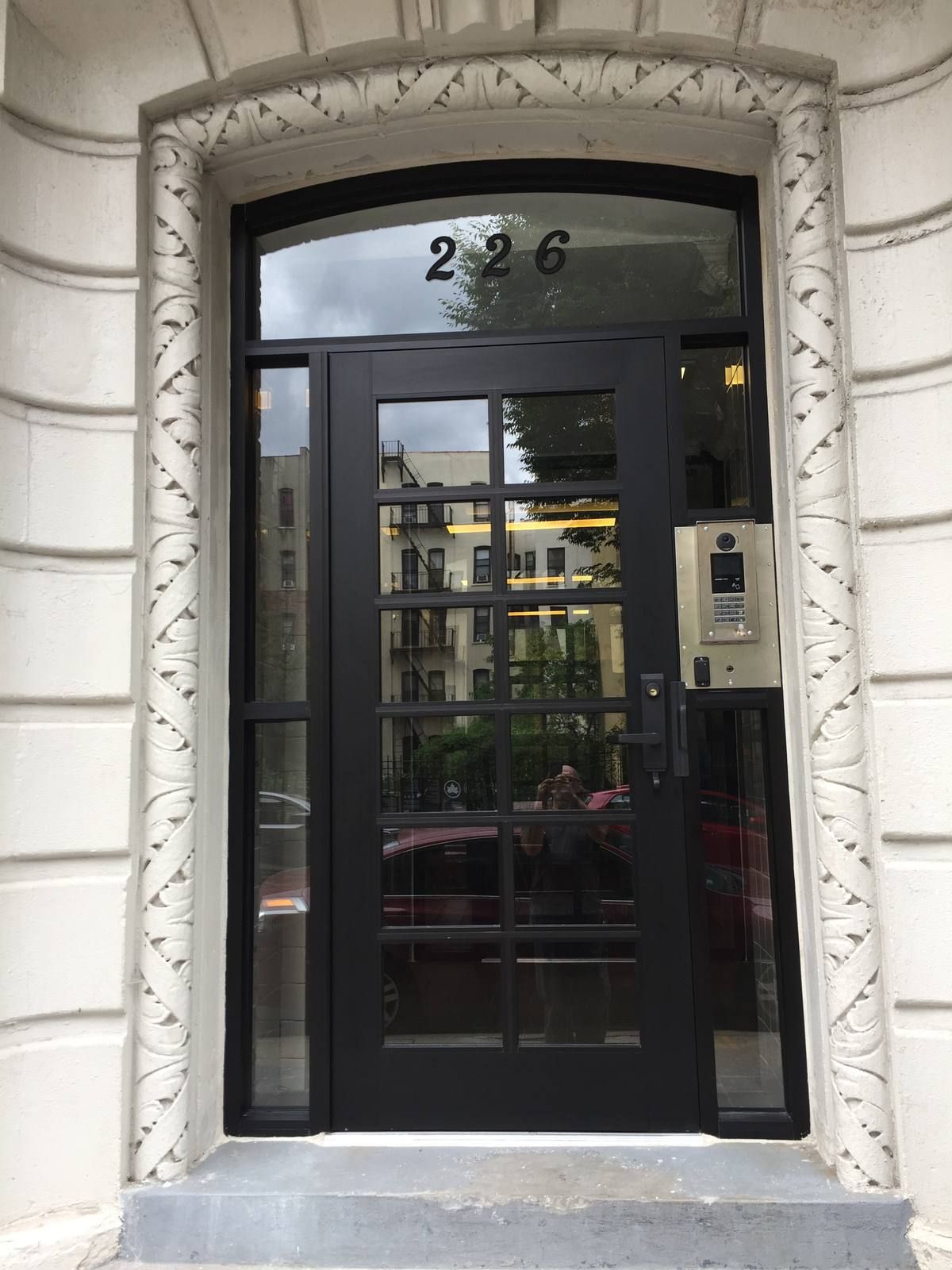
Harlem co-op entrance door with a video intercom and keypad/card access-control panel
By Parker Custom Security Team • July 9, 2026
Parker Custom Security installed a new aluminum entrance door with video intercom & card/keypad access control — plus a matching vestibule door — for a Harlem co-op.
Show More