Troubleshooting Common Commercial Door Issues in NYC

Parker Custom Security • February 18, 2026

Share this article

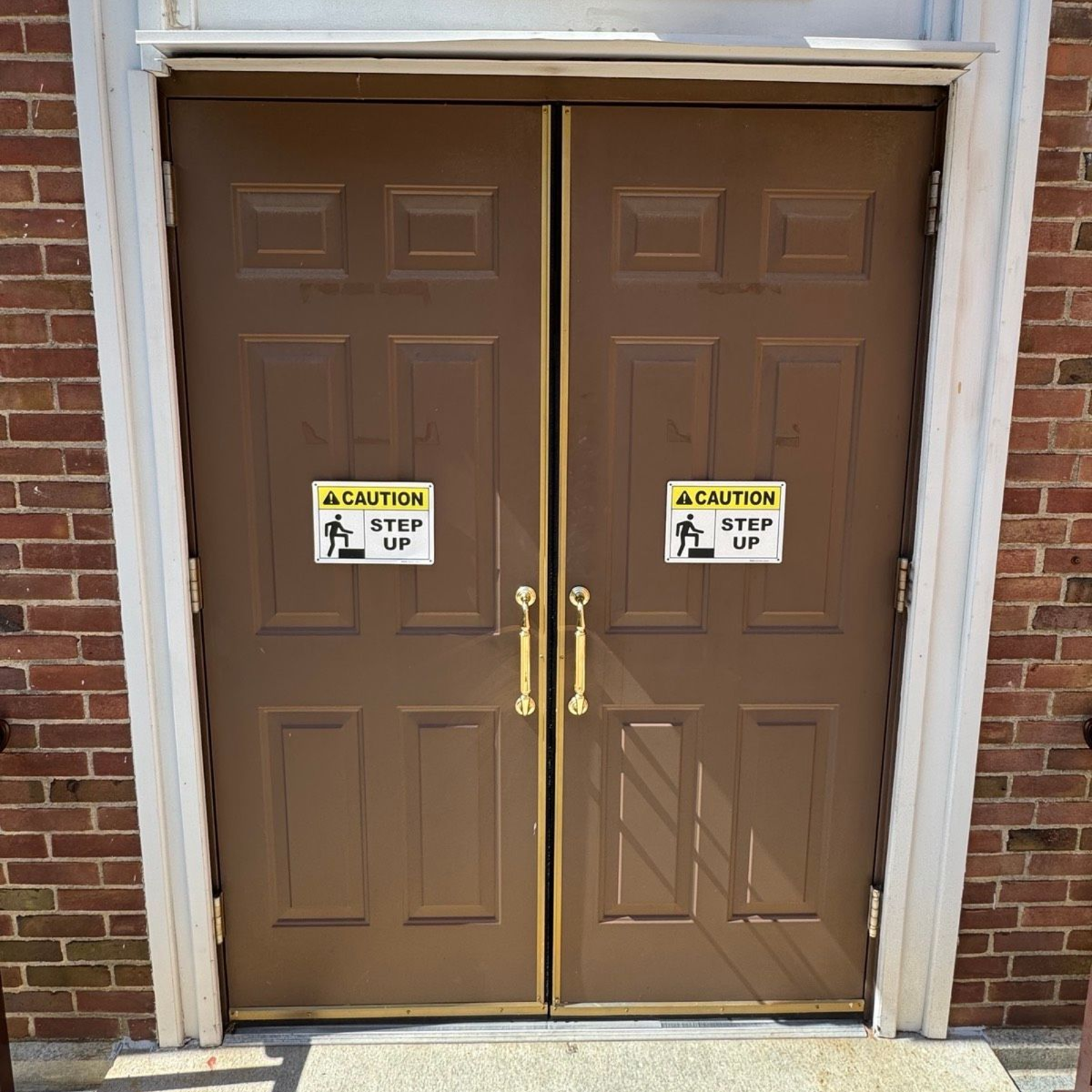
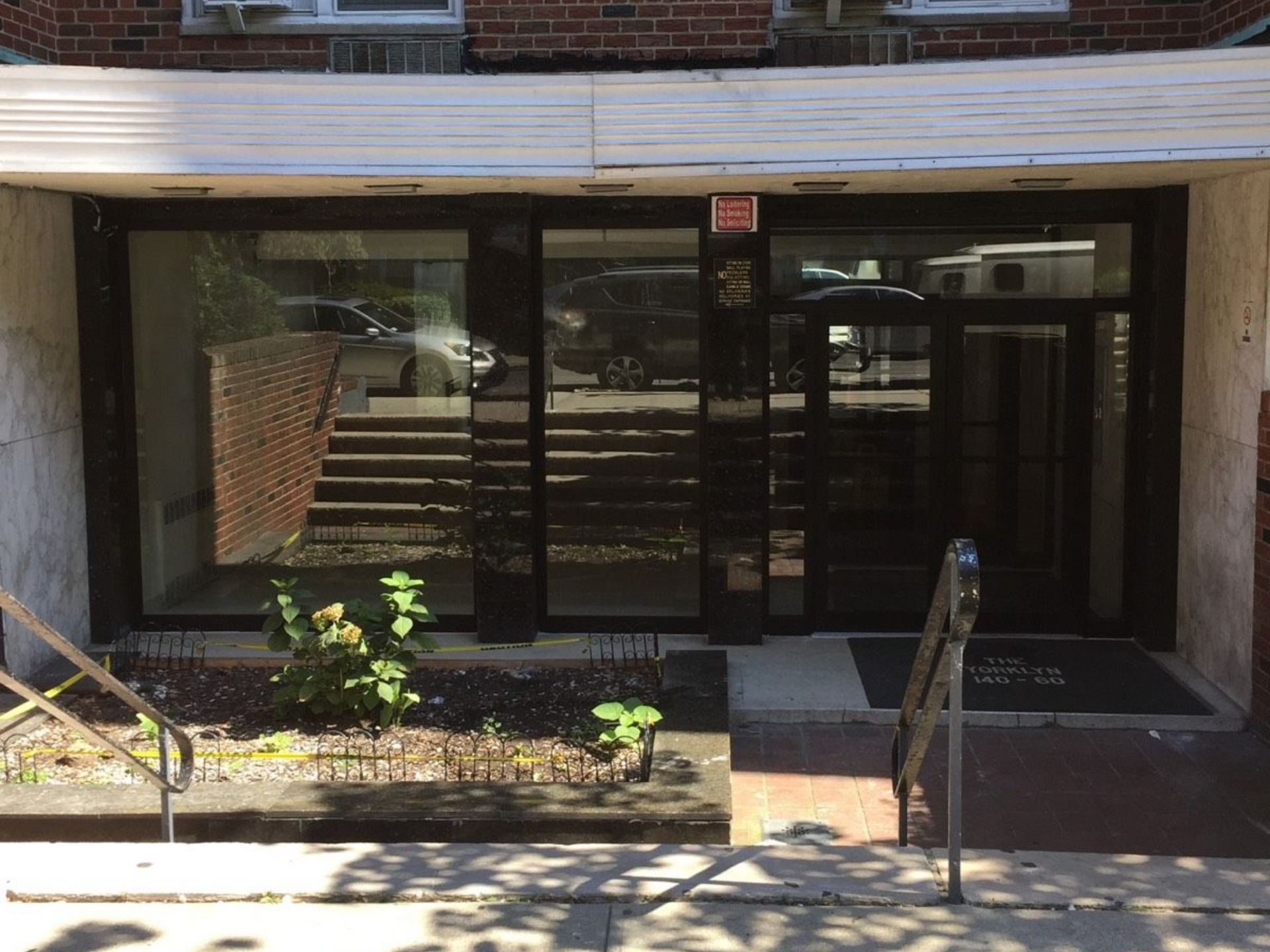
Common commercial door issues include doors not closing properly, failing to latch, sagging hinges, broken panic bars, damaged closers, and fire-rated compliance problems. In commercial and multi-tenant buildings across NYC, Westchester, and Northern NJ, these issues can create security risks, safety violations, and failed inspections. Professional inspection and repair ensures doors function properly and remain code compliant.

troubleshoot common commercial door  issues in NYC

When a Commercial Door Stops Working, It’s More Than an Inconvenience

If you manage a commercial building or apartment complex, you already know how quickly a small door issue turns into a bigger problem.


  • Tenants complain.
  • Doors slam.
  • Locks don’t catch.
  • Inspections fail.


In New York City especially, malfunctioning doors can trigger safety concerns, fire code issues, and liability exposure. The good news is that most problems have clear causes, and when caught early, they can be corrected before they escalate.


Let’s break down the most common commercial door issues and what’s usually behind them.

1. The Door Won’t Close Properly

This is one of the most frequent service calls.

Common causes:

  • Worn or improperly adjusted door closer
  • Misaligned hinges
  • Frame shift due to building settlement
  • Warped metal doors
  • Hardware fatigue


In older NYC buildings, subtle settling or masonry movement can throw alignment off just enough to prevent a door from latching fully.

If the door is fire-rated, this becomes more serious. Fire-rated doors must self-close and latch properly to remain compliant.


Ignoring this issue can lead to:

  • Failed inspections
  • Security vulnerabilities
  • Increased wear on hardware
  • Energy loss from gaps


Often the solution isn’t just adjusting the closer. It may require hinge reinforcement, frame correction, or hardware replacement.


2. The Door Won’t Latch or Lock

A door that closes but doesn’t latch is a major security concern.

Common causes:

  • Strike plate misalignment
  • Worn latch mechanism
  • Sagging hinges
  • Frame distortion
  • Incorrect hardware installation


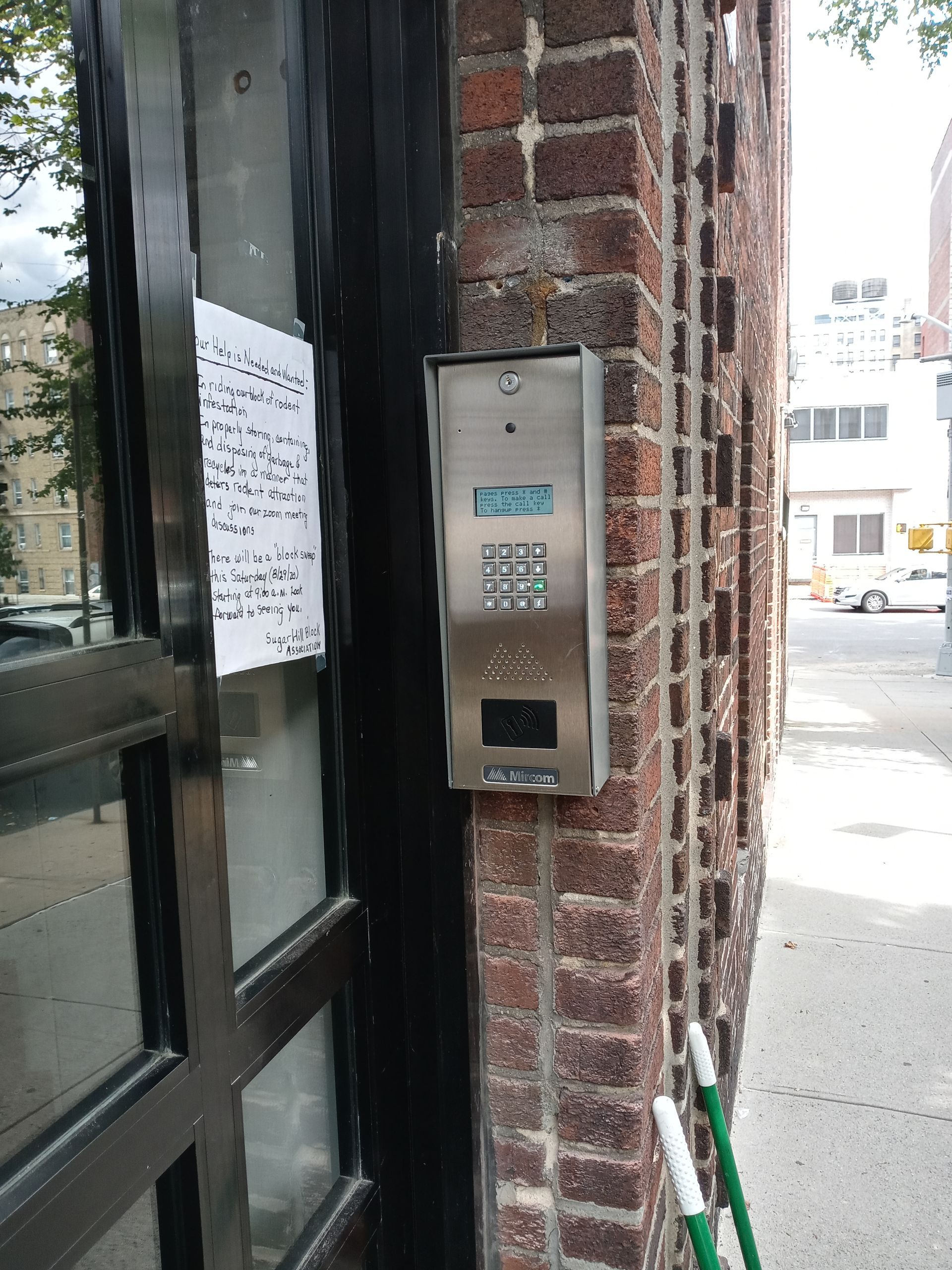
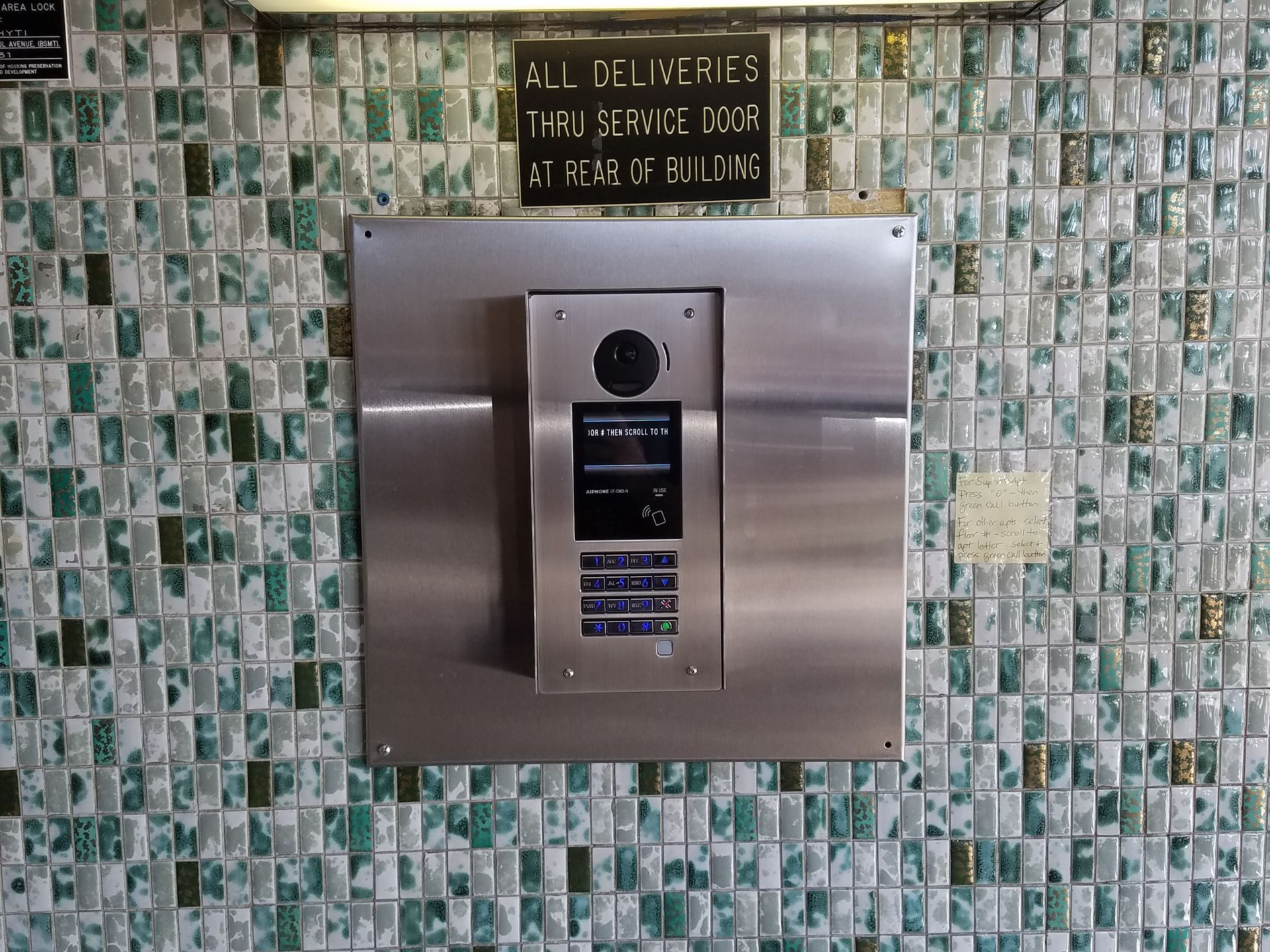
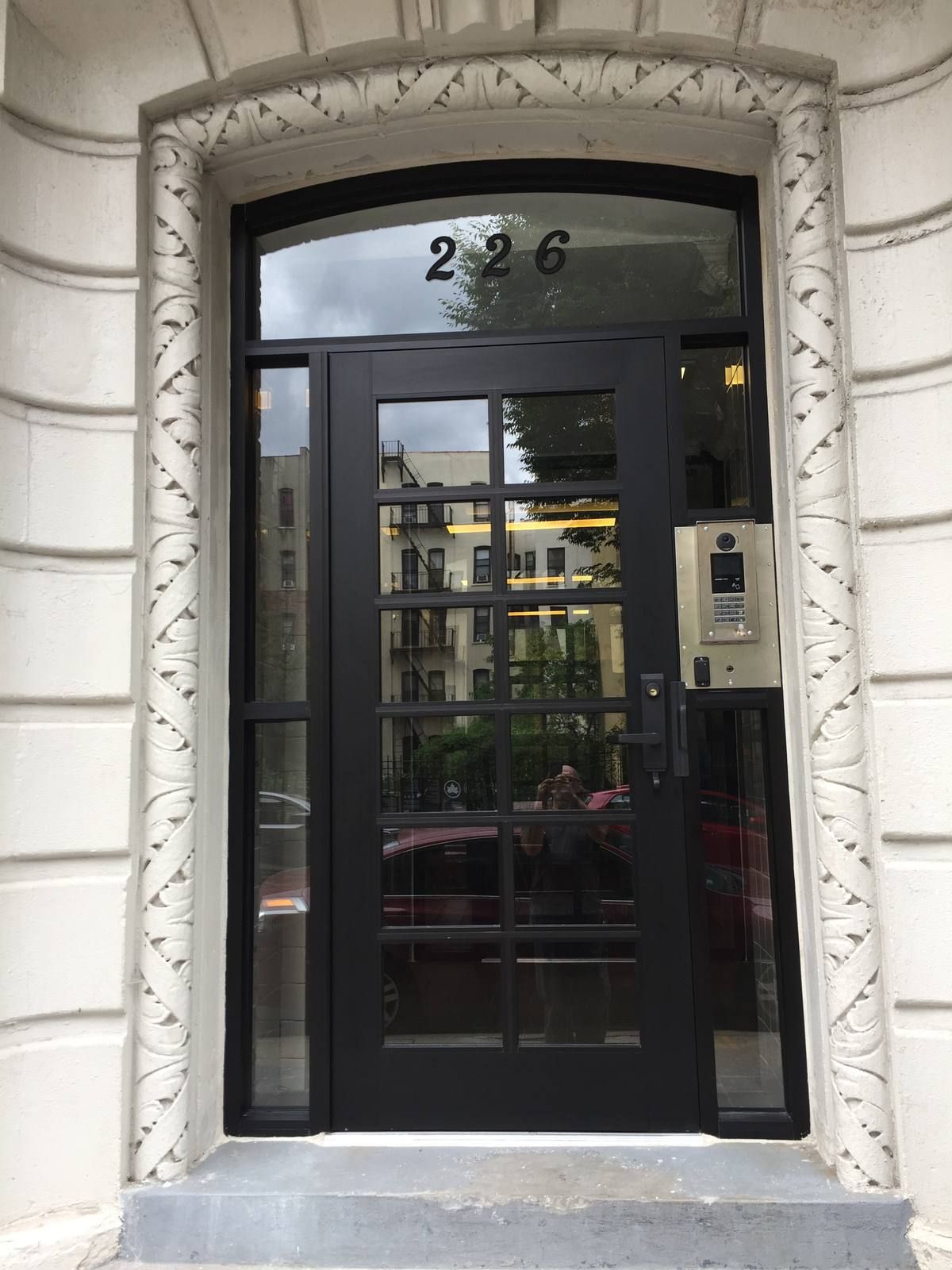
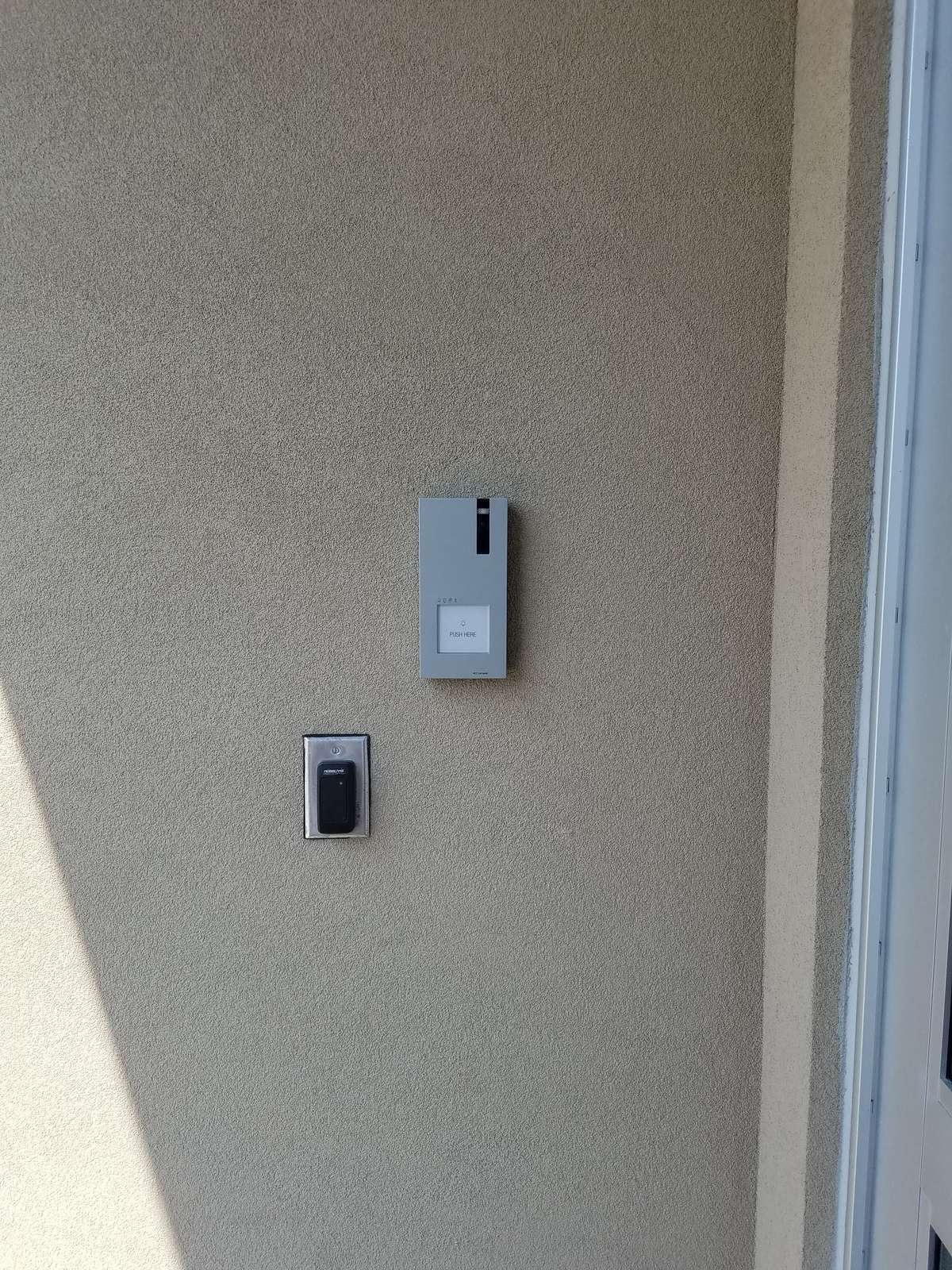
For buildings with access control systems or intercom entry, a latching issue can interfere with electronic locking systems.

This is especially critical in:

  • Multi-tenant apartment buildings
  • Office buildings
  • Schools
  • Religious facilities
  • Municipal buildings


A simple hardware issue can compromise building security if not addressed properly.

3. Sagging or Dragging Doors

If a door scrapes the floor or drags against the frame, it’s typically a structural or hardware issue.

Why it happens:

  • Loose hinges
  • Worn pivot hardware
  • Reinforcement failure
  • Door weight exceeding hinge capacity
  • Building movement


Heavy commercial metal doors require proper reinforcement and alignment. If the original installation was rushed or undersized, sagging becomes inevitable over time.


This isn’t just cosmetic. A dragging door can:

  • Damage flooring
  • Stress hardware
  • Prevent proper latching
  • Accelerate overall wear


Early correction prevents full door replacement.

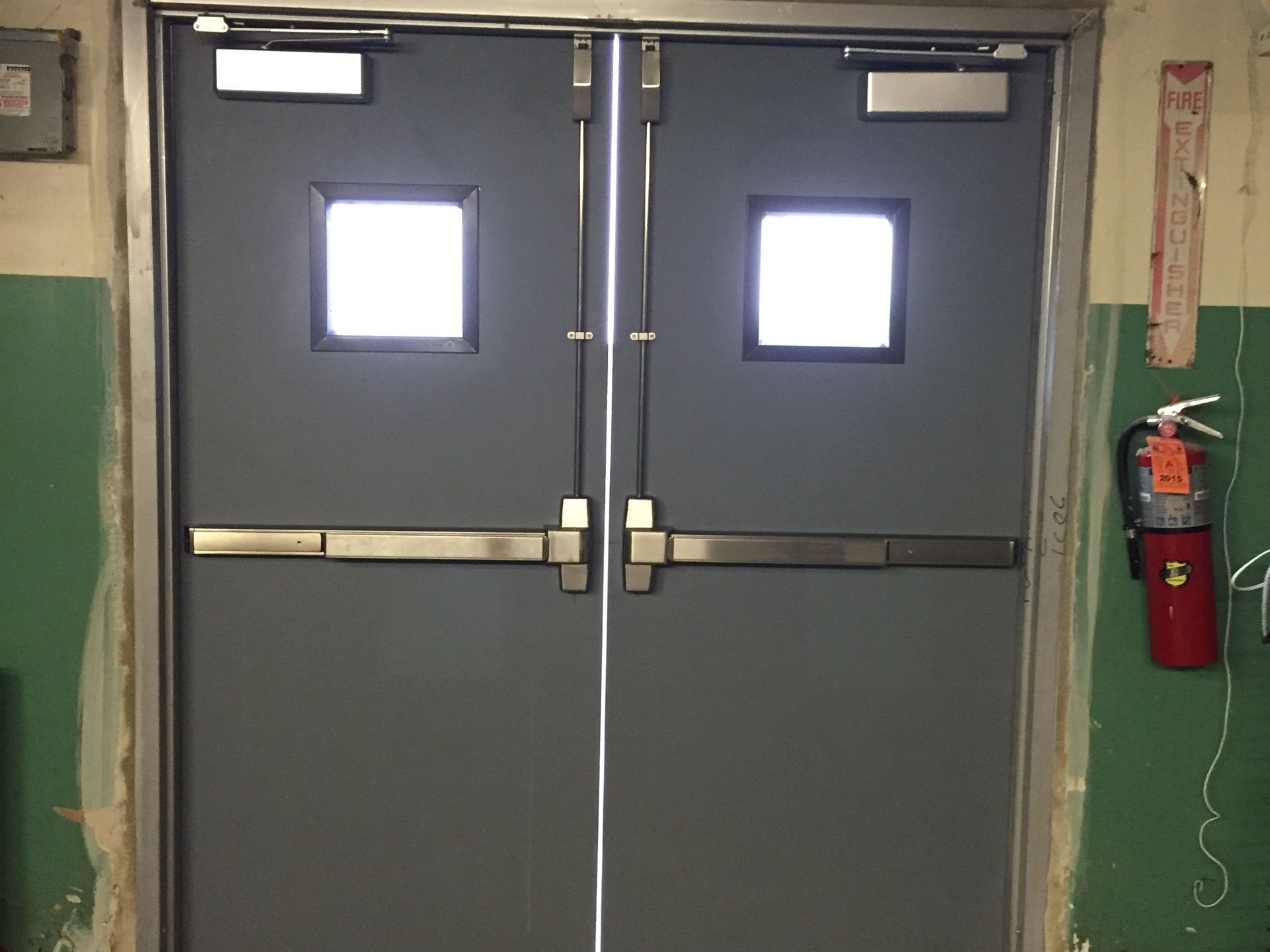
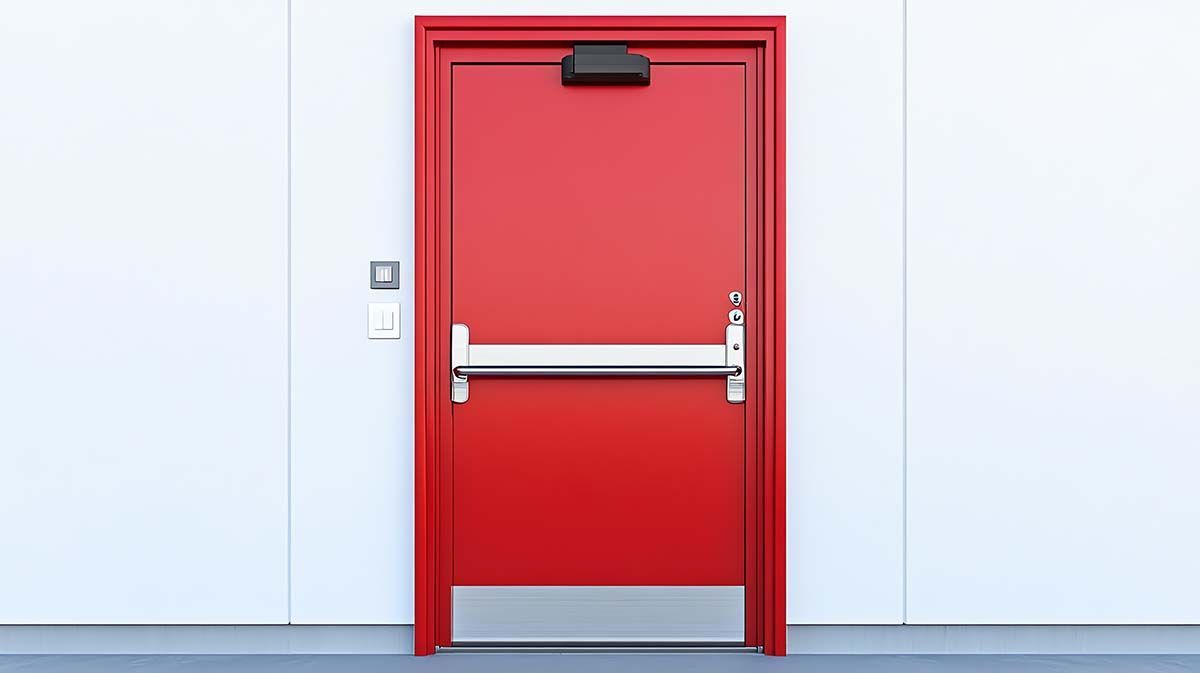
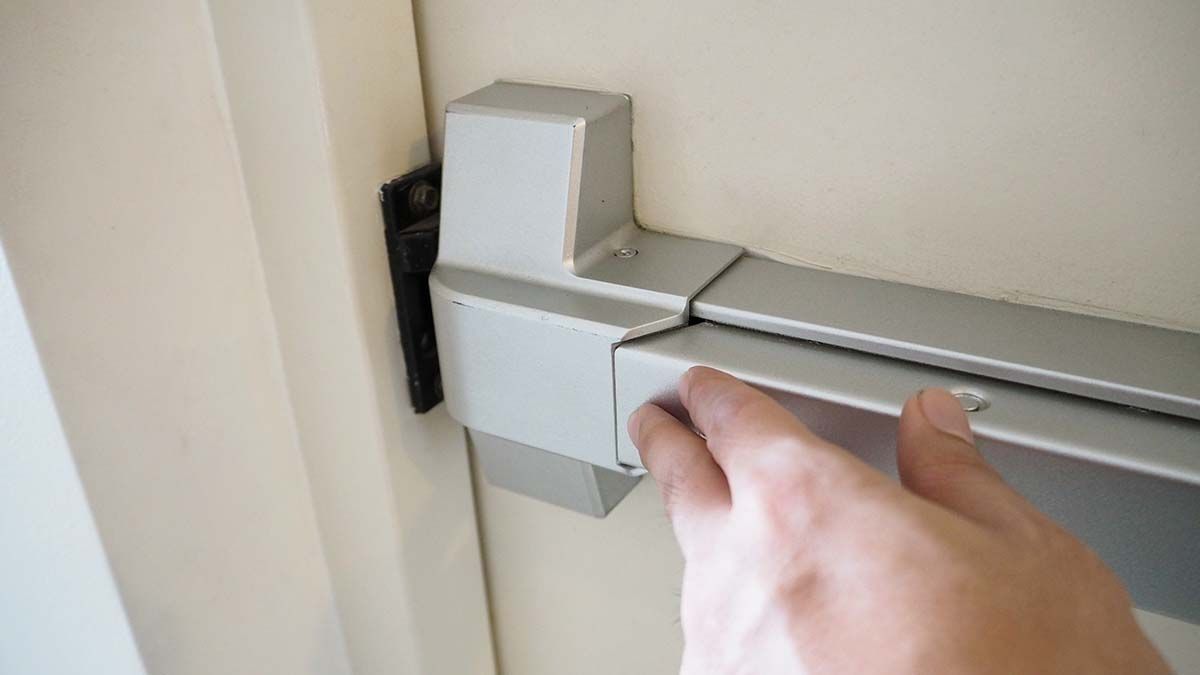
Panic bar metal door failure in NYC

4. Panic Bar or Exit Device Failure

Exit devices are life-safety hardware. When they fail, it becomes serious.

Common problems:

  • Push bar does not retract latch
  • Internal spring mechanism failure
  • Improper installation
  • Non-compliant hardware substitutions


In commercial buildings, panic bars must operate smoothly and reliably. Fire-rated doors must maintain their integrity even when hardware is replaced.

Improper field modifications can void fire ratings and create compliance issues.


If your panic hardware feels loose, sticks, or fails to retract consistently, it should be inspected immediately.

5. Fire-Rated Door Compliance Issues

Fire-rated doors are highly regulated. In commercial buildings, they must:

  • Self-close
  • Latch securely
  • Maintain approved hardware
  • Avoid field modifications that affect rating
  • Meet allowable gap tolerances


Common violations include:

  • Disconnected closers
  • Missing latching hardware
  • Improper replacement hardware
  • Visible damage to the door edge
  • Excessive gaps


These issues are often discovered during inspections. Addressing them proactively prevents citations and repeat violations.

6. When Should You Repair vs. Replace a Commercial Door?

Not every issue requires full replacement.

Repair is usually sufficient if:

  • The problem is hardware-related
  • The frame is structurally sound
  • The door slab is not compromised
  • Fire rating remains intact

Replacement may be necessary if:

  • The door is structurally warped
  • The frame is compromised
  • The fire rating has been voided
  • There is repeated hardware failure


A professional evaluation determines the most cost-effective and compliant path forward.

7. Why Temporary Fixes Can Create Bigger Problems

It’s tempting to make quick adjustments in-house.

But in commercial buildings, especially in NYC, that can backfire.

Improper drilling, hardware swaps, or alignment fixes can:

  • Void fire ratings
  • Create inspection failures
  • Increase liability exposure
  • Cause premature hardware wear


Commercial doors are part of your building’s safety system. Repairs should protect both compliance and security.

Proactive Commercial Door Inspections for Property Managers

Many property managers wait until something breaks.

A better approach is routine inspection.

A structured commercial door inspection can identify:

  • Hardware fatigue
  • Alignment issues
  • Fire-rated compliance risks
  • Security vulnerabilities
  • Improper prior modifications


For buildings in NYC’s five boroughs, Westchester, and Northern NJ, staying ahead of violations protects both tenants and ownership.


Frequently Asked Questions

  • Why is my commercial door not closing all the way?

    The most common causes are misaligned hardware, worn door closers, hinge issues, or frame movement. In fire-rated doors, the self-closing mechanism may also be compromised.

  • Can I replace hardware on a fire-rated door?

    Only approved hardware should be installed. Unauthorized modifications can void the fire rating and lead to compliance issues.

  • How much does commercial door repair cost in NYC?

    Costs vary depending on the issue. Hardware adjustments are less expensive than structural frame corrections or full replacements.

  • How often should commercial doors be inspected?

    At minimum annually, but high-traffic buildings may require more frequent inspections to maintain safety and compliance.

  • What happens if a fire-rated door doesn’t latch?

    If a fire-rated door does not latch properly, it may fail inspection and compromise fire compartmentalization within the building.

Don’t Wait for a Violation Notice

If you manage a commercial or multi-tenant property in NYC, Westchester, or Northern NJ and are experiencing door issues, addressing them early prevents larger problems.


Malfunctioning doors affect security, safety, and compliance. Professional evaluation ensures your building remains protected and up to standard.


To schedule a commercial door inspection or repair consultation, contact Parker Custom Security:


217 W. 135th Street
New York, NY 10030

Phone:
1-212-491-562

Recent Posts

NYC apartment building bio-metric access control system installation
By Parker Custom Security February 20, 2026
Upgrade your NYC apartment building with secure access control systems. Key fob, mobile entry, and integrated security solutions.
Emergency fire-rated door repair in a commercial building stairwell
By Parker Custom Security February 5, 2026
Emergency fire-rated door repair for commercial buildings in NYC, Westchester & Northern NJ. Fast compliance-focused repairs after inspections or damage.