
Upgrading To Access Control Systems in Older Apartment Buildings
Quick Answer
Traditional keys offer no management capability — they can be copied, lost, and never truly deactivated. Commercial access control systems replace keys with electronic credentials that can be issued, monitored, and revoked instantly. For NYC commercial and multi-tenant buildings, the difference in security, operational efficiency, and accountability is significant.
If you've managed a commercial building in New York City for any length of time, you've dealt with the key problem.
A tenant moves out and doesn't return their key. An employee is let go and HR isn't sure whether they handed it in. A contractor had access for a job six months ago and you never got the key back. Someone made a copy — or several copies — and you have no way of knowing.
Traditional keys are simple. But simple isn't the same as secure.
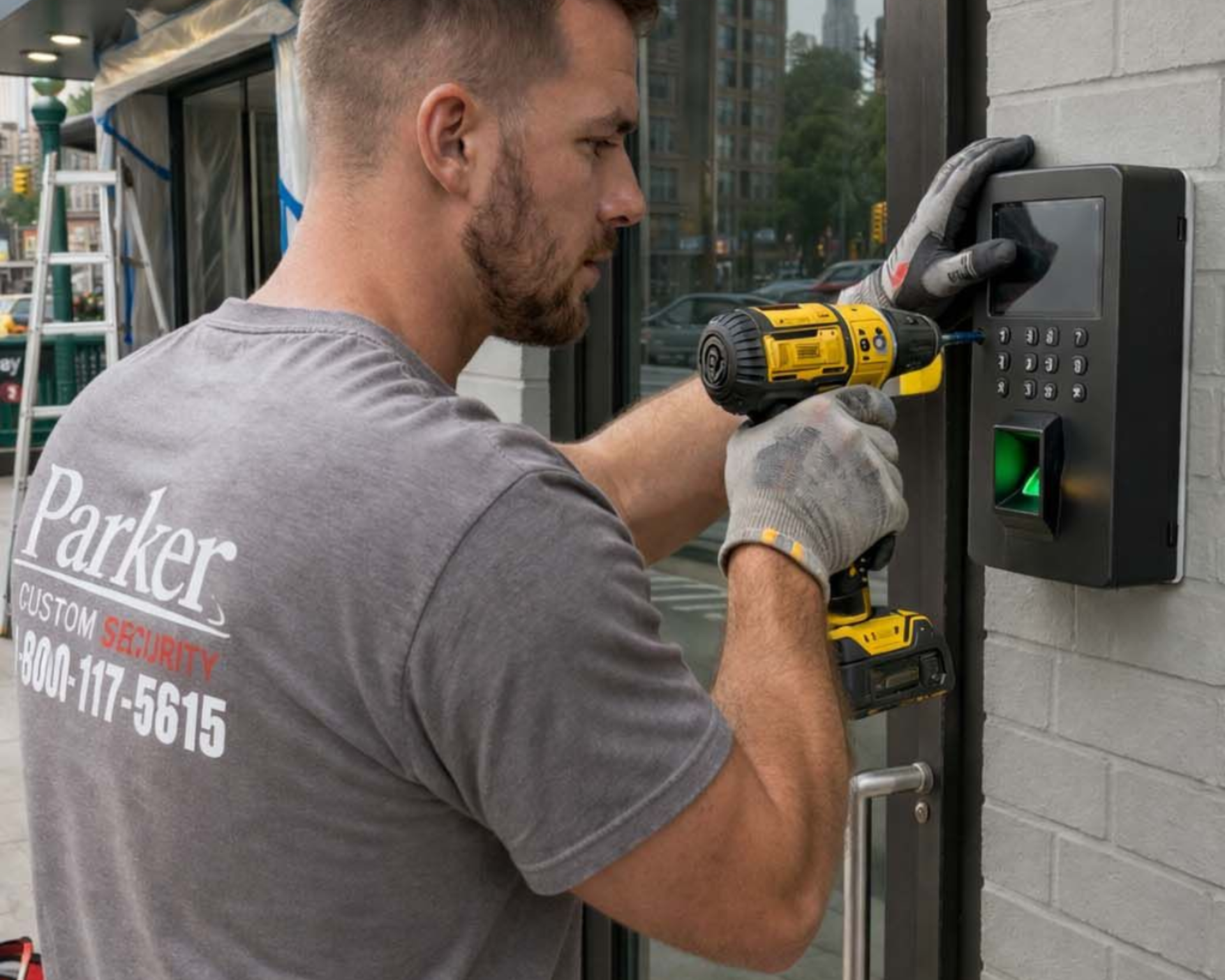
At Parker Custom Security, we install and service commercial access control systems throughout NYC, Westchester, and Northern New Jersey. We've helped hundreds of building owners and property managers make the transition away from traditional keys — and the difference is immediate.
Here's a direct comparison of how the two systems stack up.
Control and Management
Traditional Keys
Once a key is cut, you have no control over it. You don't know how many copies exist. You can't deactivate it. If something changes — a tenant leaves, an employee is terminated, a contractor finishes their work — your only option is to rekey the lock. And rekeying means cutting new keys for everyone who still needs access.
In a building with dozens of tenants or employees, rekeying is expensive, slow, and disruptive.
Access Control
Every credential is tied to a specific person and managed through software. You assign access to the doors they need, set time windows for when they can enter, and revoke access instantly when their need ends. No rekeying. No locksmith. No waiting.
For property managers handling regular tenant turnover, this alone makes access control worth the investment.
Security
Traditional Keys
A traditional key offers no record of use. You have no way of knowing who entered a building, which door they used, or what time they came and went. If an incident occurs, there's no log to review.
Keys can also be duplicated at virtually any hardware store — no ID required, no questions asked. Anyone who had temporary access to a key for even a few minutes could have made a copy without your knowledge.
Access Control
Every credential use generates an entry log — who entered, which door, what time. This audit trail is available in real time and can be reviewed at any point.
For commercial buildings dealing with liability concerns, insurance requirements, or institutional compliance, this documentation has real value. Many corporate tenants and insurers now expect this level of accountability.

Response to Security Incidents
Traditional Keys
If a key is lost or stolen, your response options are limited. You can rekey the affected lock — which disrupts everyone who uses that entrance — or accept the risk and do nothing. Neither option is fast or efficient.
In a larger building with multiple entry points, a lost master key can be a significant security event that takes days to fully address.
Access Control
A lost or compromised credential is deactivated in seconds from the management software. The person loses access immediately. A new credential is issued the same day. No locks are changed, no keys are recut, and no one else's access is disrupted.
Operational Efficiency
Traditional Keys
Managing access for a multi-tenant building with traditional keys requires physical key distribution, key tracking, rekeying on turnover, and manual record-keeping. For property managers overseeing multiple buildings or high-turnover properties, this is a meaningful operational burden.
Access Control
Credentials are issued and managed remotely. New tenants receive a key fob or mobile credential on move-in day. Departing tenants have access removed before they leave. Multiple buildings can be managed through a single platform.
For property management companies with a large portfolio, centralized access control management reduces overhead significantly.
Upfront Cost vs Long-Term Value
This is the most common hesitation we hear from building owners considering the switch — and it's a fair one.
Access control systems require a higher upfront investment than a traditional key system. Hardware, installation, software licensing, and configuration all have real costs that vary based on the number of doors, building layout, and system type.
But the comparison changes when you factor in the long-term costs of a key-based system: rekeying costs every time something changes, locksmith calls for lockouts, the security liability of uncontrolled key copies, and the management time consumed by manual key administration.
For most NYC commercial and multi-tenant buildings, access control pays for itself over time — and provides a level of security and operational control that a key system simply can't match.
Is Access Control Right for Your Building?
Access control makes the most sense for buildings that have frequent tenant or employee turnover, multiple entry points that need different permission levels, compliance or documentation requirements, existing intercom or security infrastructure to integrate with, or a history of key management problems.
If your building is a small owner-occupied space with a handful of long-term occupants, a traditional key system may still be adequate. But if you're managing a commercial office building, apartment complex, school, or institutional property in NYC — the case for access control is strong.
Parker Custom Security: Access Control Installation in NYC
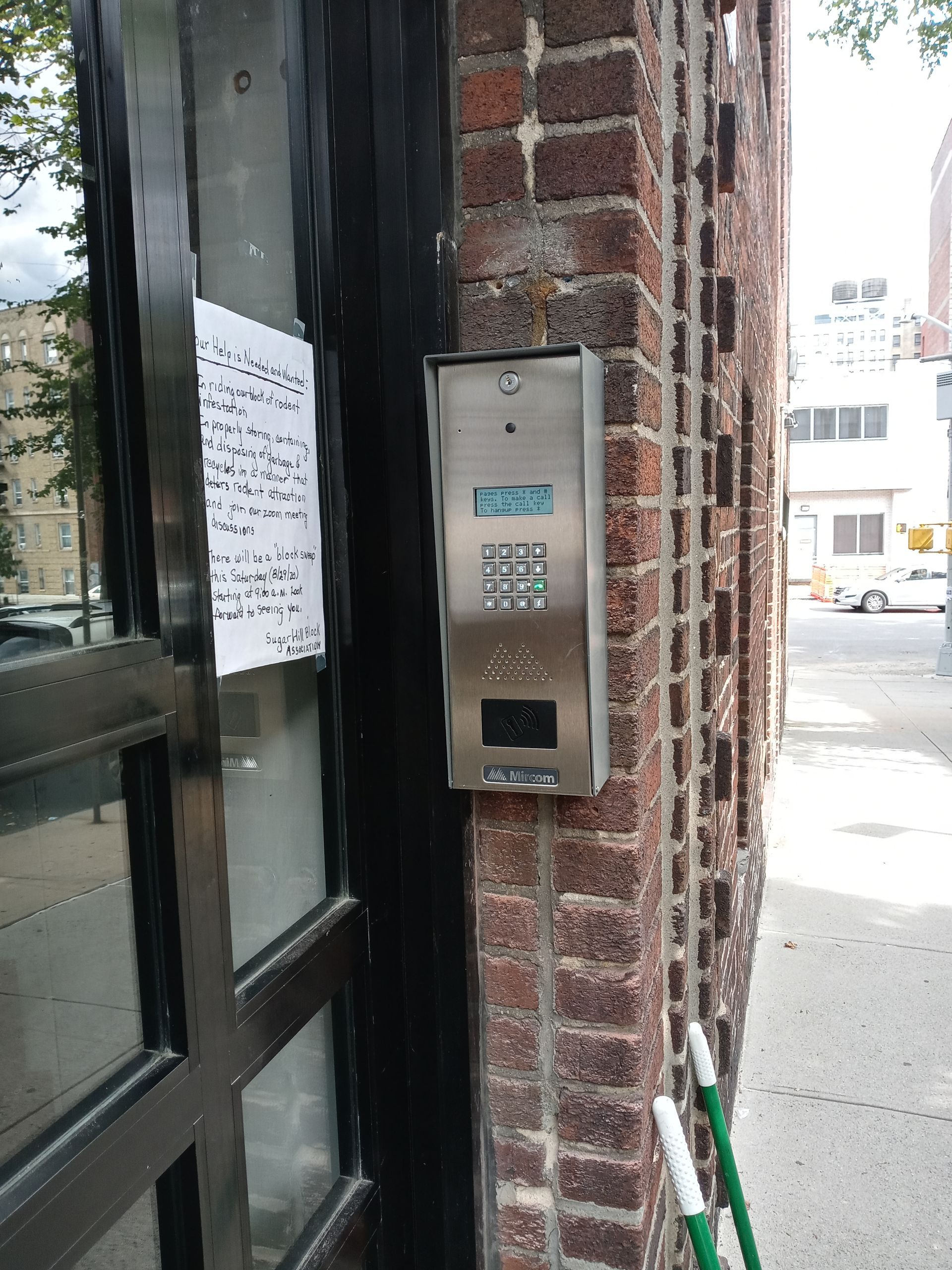
Parker Custom Security installs, services, and upgrades commercial access control systems throughout New York City, Westchester County, and Northern New Jersey. We work with cloud-based and on-premise systems from leading platforms including PDK, Kantech, Honeywell, ZKTeco, Keyscan, Keri Systems, Rosslare, Napco, DoorKing, Linear, Mircom, and Comelit.
Every installation starts with an on-site assessment. We evaluate your building, recommend the right system, and handle everything from hardware installation to software configuration and user training.
Call (212) 491-5627 or request a free access control consultation online. We serve Manhattan, Brooklyn, Queens, the Bronx, Staten Island, Westchester County, and Northern New Jersey.

Common Questions About Access Control vs Traditional Keys
Can access control systems work in older NYC buildings?
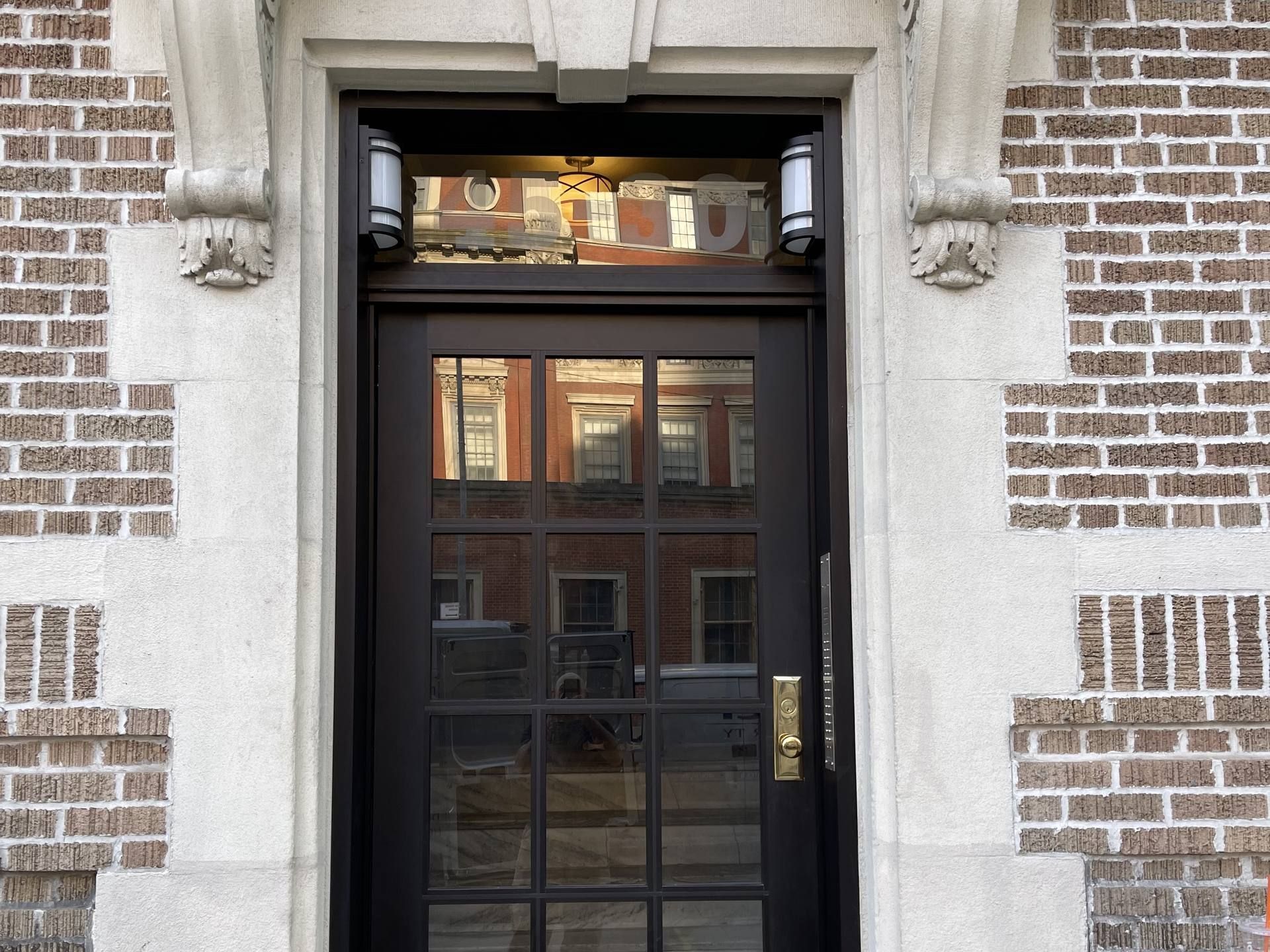
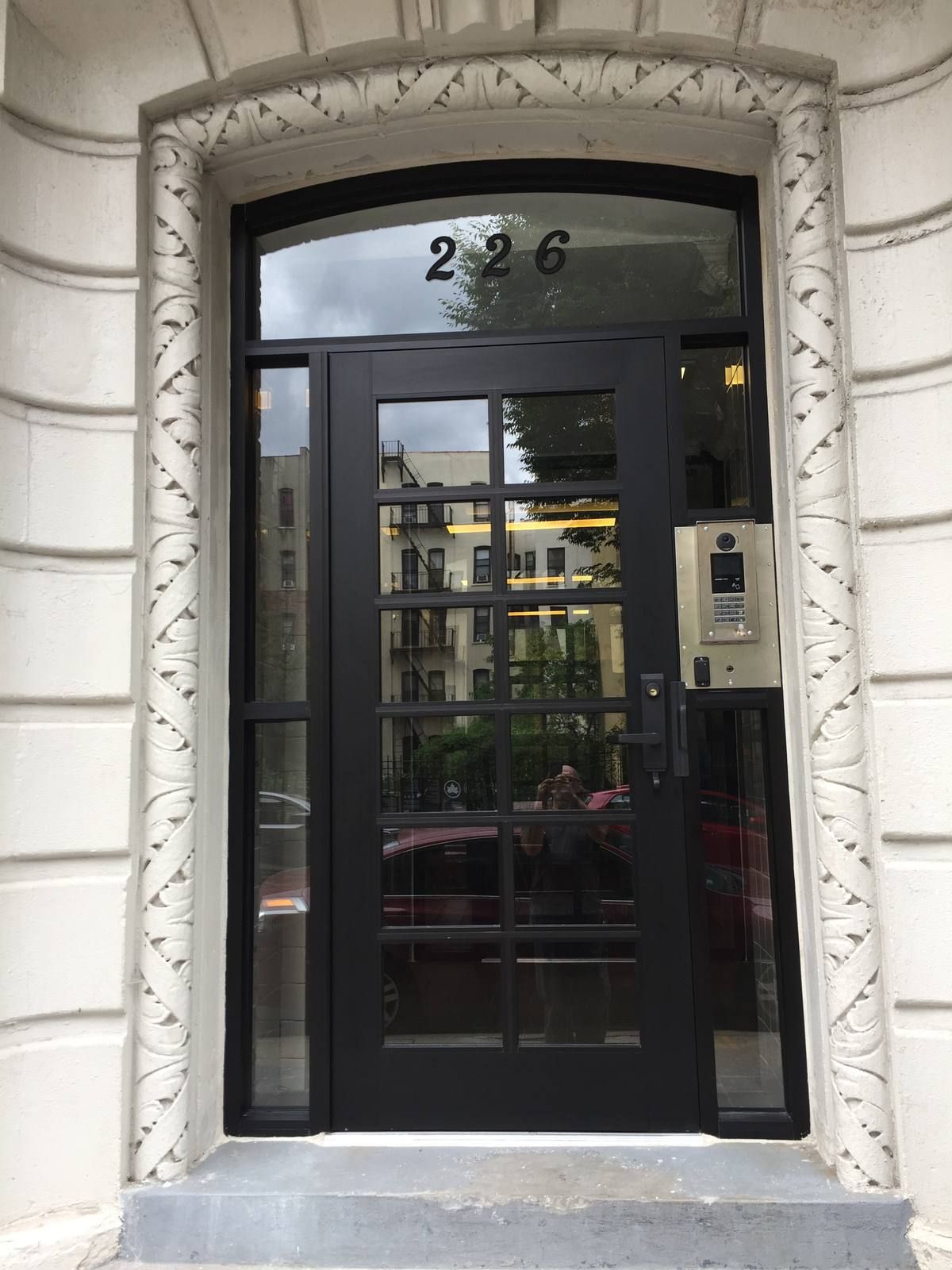
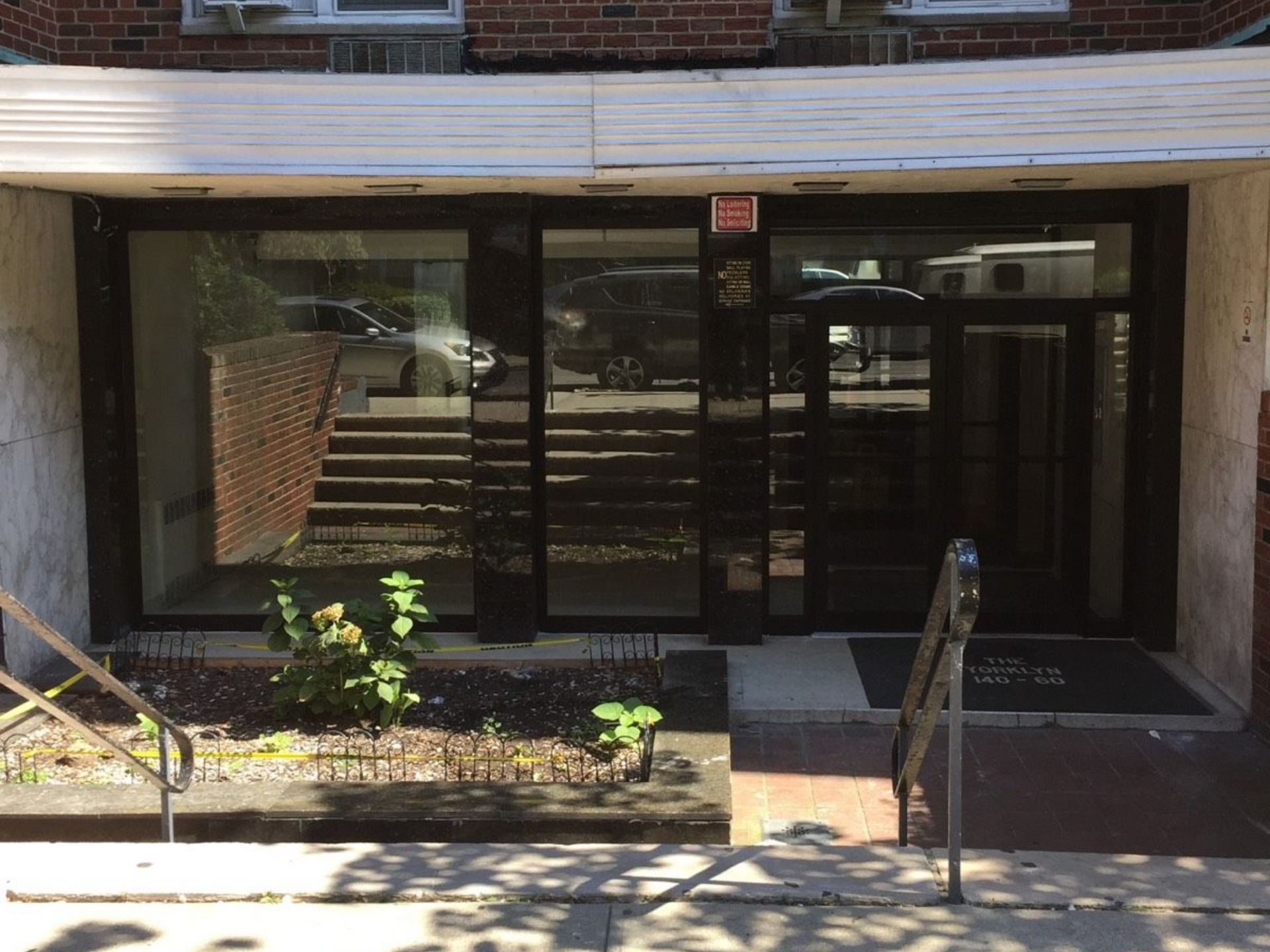
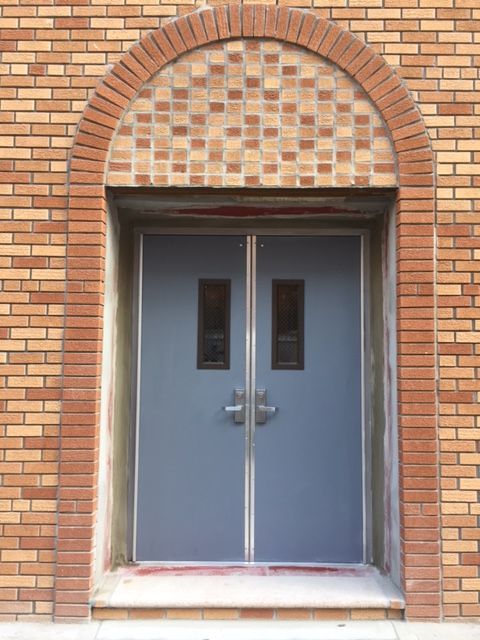
Yes. Parker Custom Security regularly installs access control in older masonry and pre-war commercial buildings throughout the five boroughs. We adapt installations to existing infrastructure and work with the unique challenges older buildings present.
How many doors can an access control system manage?
Systems scale from a single entry point to hundreds of doors across multiple buildings. The right platform depends on your current needs and how you expect the system to grow over time.
What happens to existing locks when switching to access control?
In most cases, existing door hardware is upgraded rather than fully replaced. Electric strikes and magnetic locks are installed to work with existing frames and doors, preserving your investment in quality door assemblies.
Can access control integrate with our intercom system?
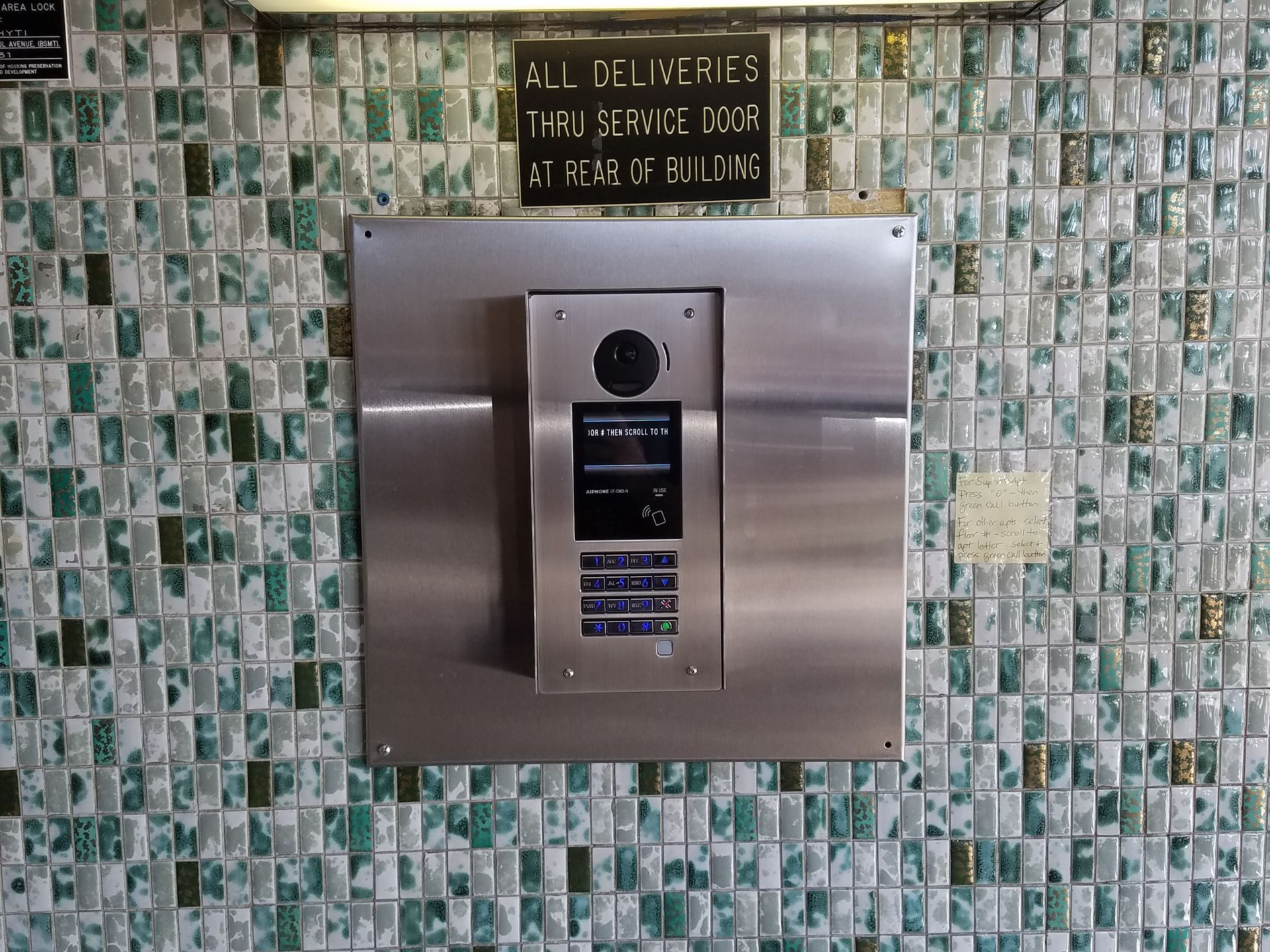
Yes. Most modern access control systems integrate with intercom platforms, allowing property managers to verify visitors and grant remote entry through a unified system.
How long does access control installation take?
Smaller installations may take a few days. Larger multi-tenant buildings with many doors typically require phased installation scheduled to minimize disruption to daily operations.