Why Storefront Doors Break and How to Prevent It
Quick Answer
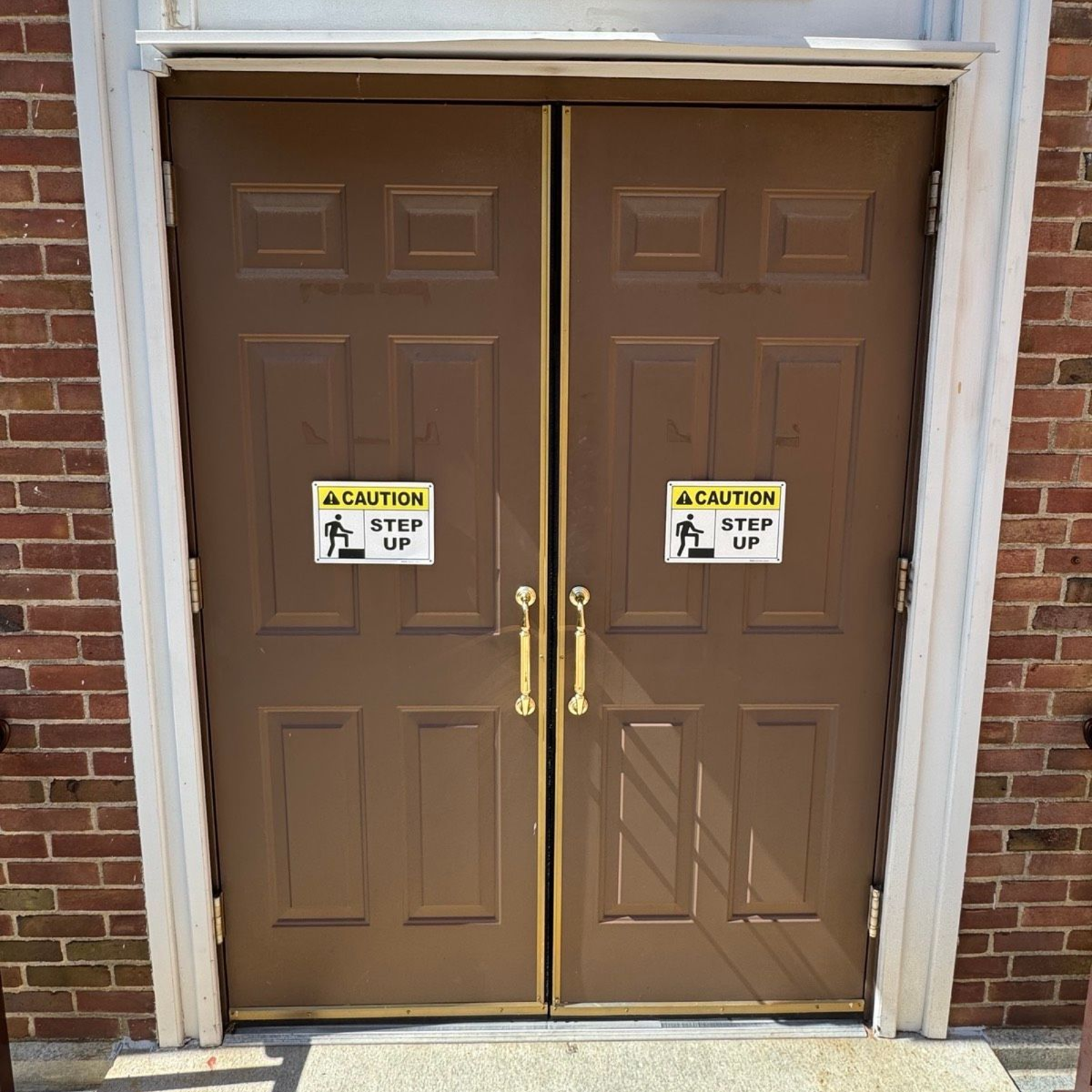
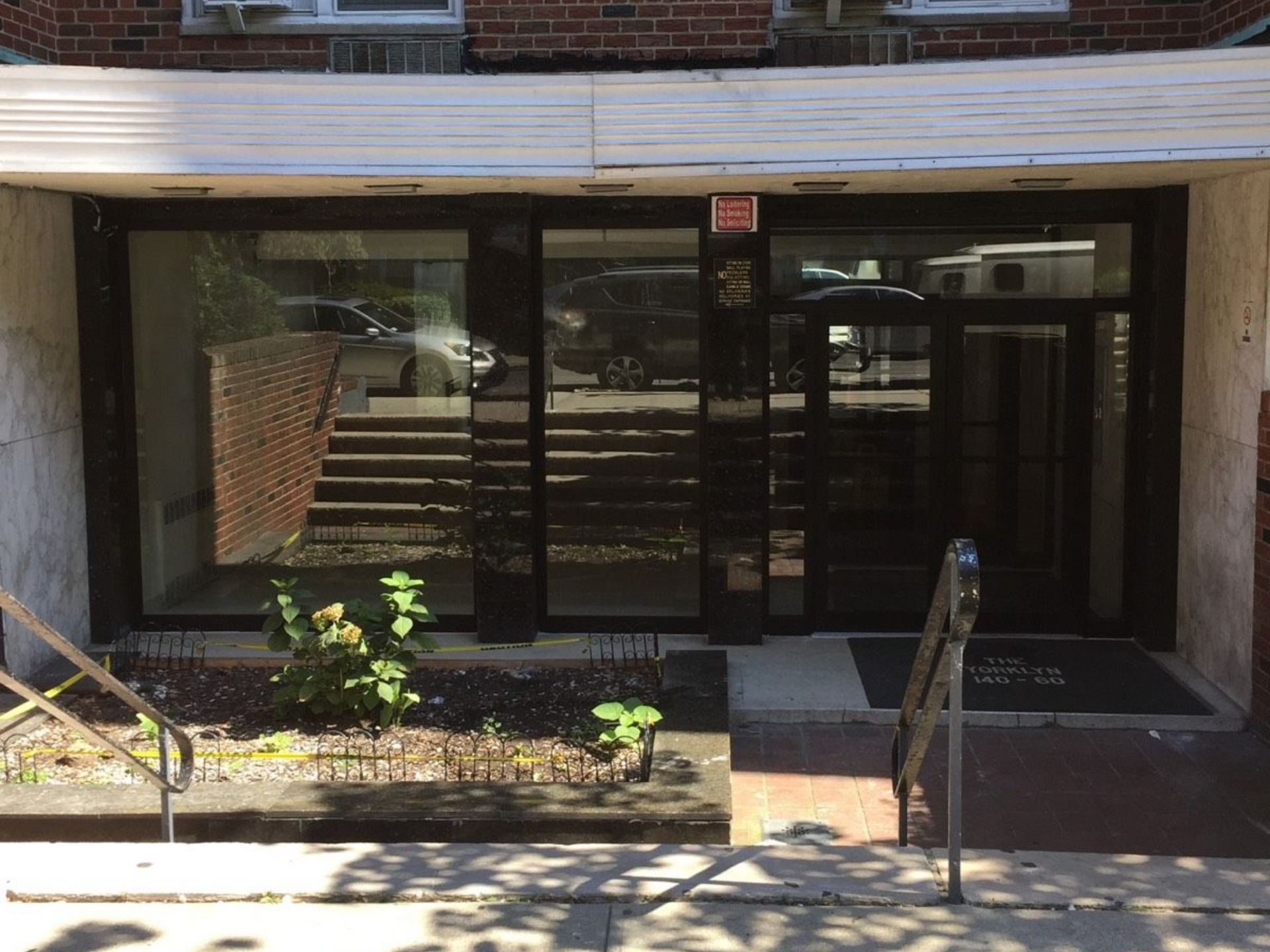
Storefront doors in NYC most commonly break due to heavy daily use, misalignment, worn hardware, weather exposure, and improper installation. Routine maintenance and timely repairs can prevent most failures before they become expensive emergencies. If your storefront door is dragging, not latching, or showing visible damage, it needs attention now.
Your storefront door works harder than almost any other part of your building. It opens and closes dozens — sometimes hundreds — of times a day. It deals with foot traffic, delivery carts, weather, and the occasional hard shove. In New York City, that pressure is even more intense.
When a storefront door starts to fail, it rarely happens all at once. It shows up as a drag here, a stuck latch there, a closer that just doesn't quite pull the door shut anymore. Small issues that get ignored have a way of turning into bigger, costlier problems fast.
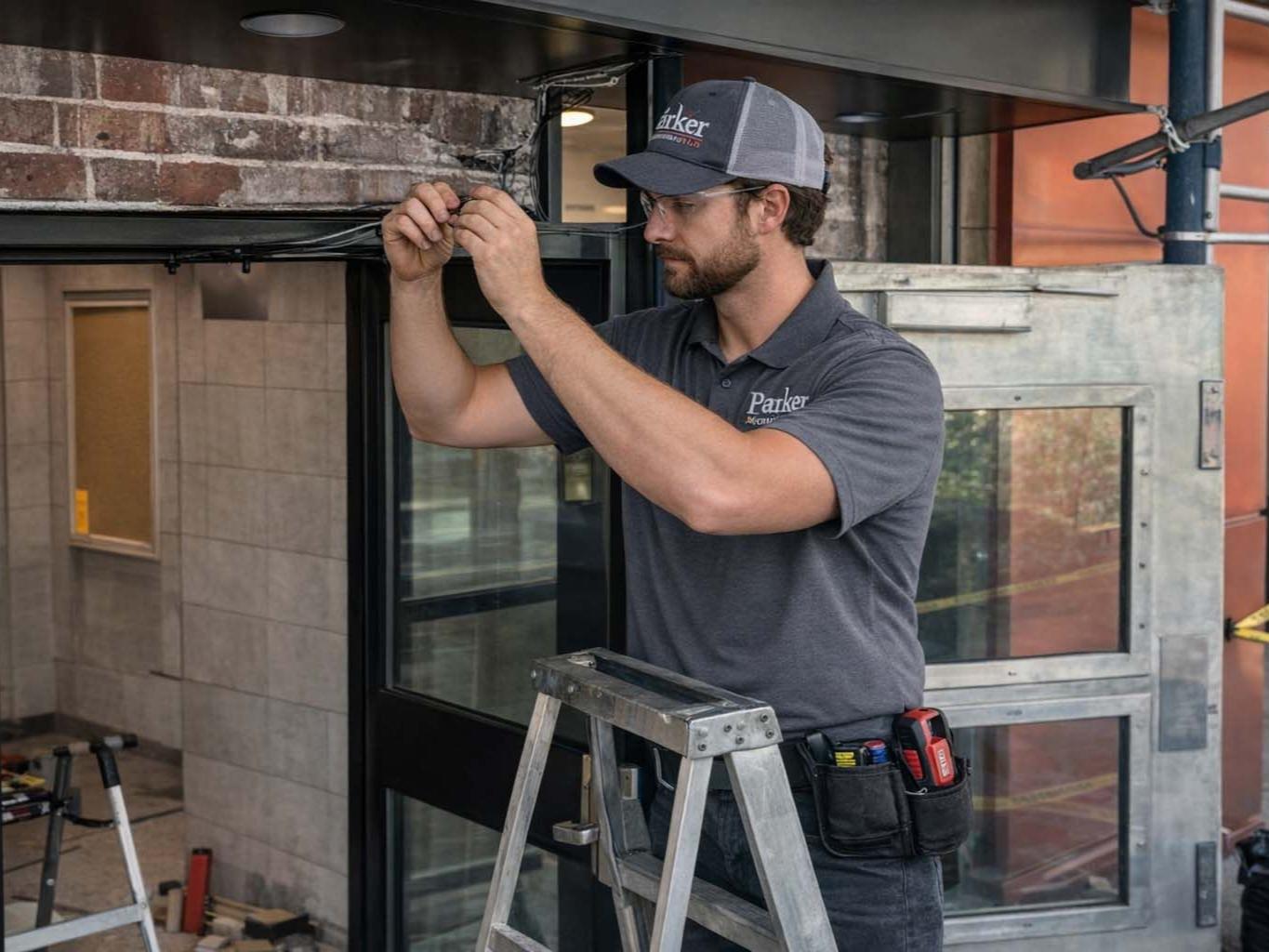
At Parker Custom Security, we've been repairing and installing commercial storefront doors throughout NYC, Westchester, and Northern New Jersey since 2003. We see the same failure points come up over and over again — and most of them are preventable.
Here's what you need to know.
The Most Common Reasons Storefront Doors Break Down
1. Heavy Daily Use and Wear
A commercial storefront door isn't a residential door. It's a mechanical system that takes thousands of open-and-close cycles a year. Over time, that volume of use puts real stress on hinges, closers, pivots, and the frame itself.
When components start to wear, you'll notice it first in how the door feels — a little heavier, a little slower, maybe a slight drag along the bottom. Those early signs are your window to fix things before they escalate.
2. Misalignment and Sagging
One of the most common issues we see in NYC storefronts is door misalignment. Aluminum frames are durable, but buildings settle. Floors shift. Door openings that were perfectly square when the system was installed can change slightly over months and years.
When a door falls out of alignment, it starts to drag against the frame or threshold, which accelerates wear on the hardware and puts stress on the glass panels. In older masonry buildings — which make up a huge part of NYC's commercial stock — this is especially common.
A misaligned door left unaddressed will eventually cause hardware failure, frame damage, or cracked glass.
3. Worn or Failing Hardware
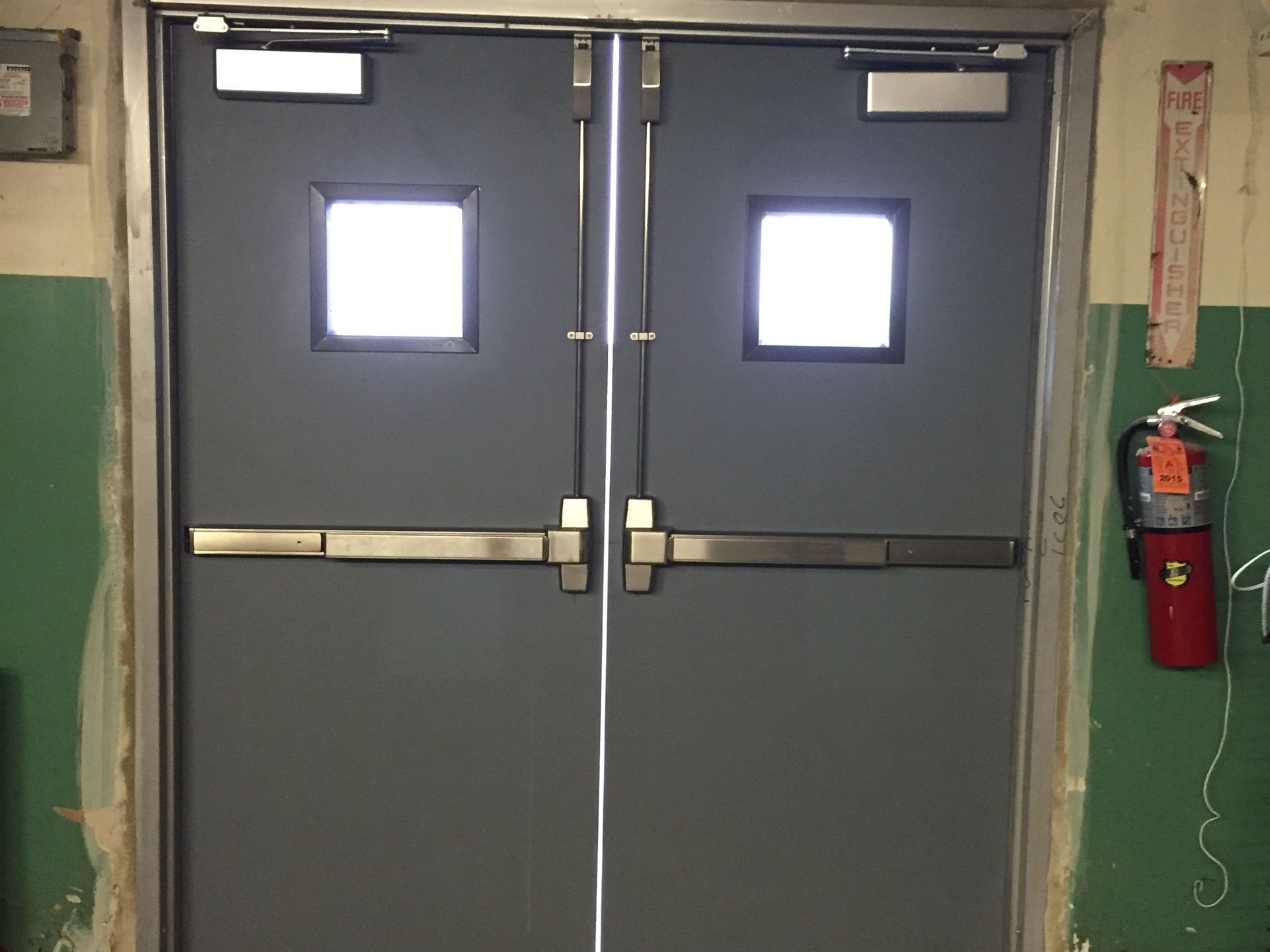
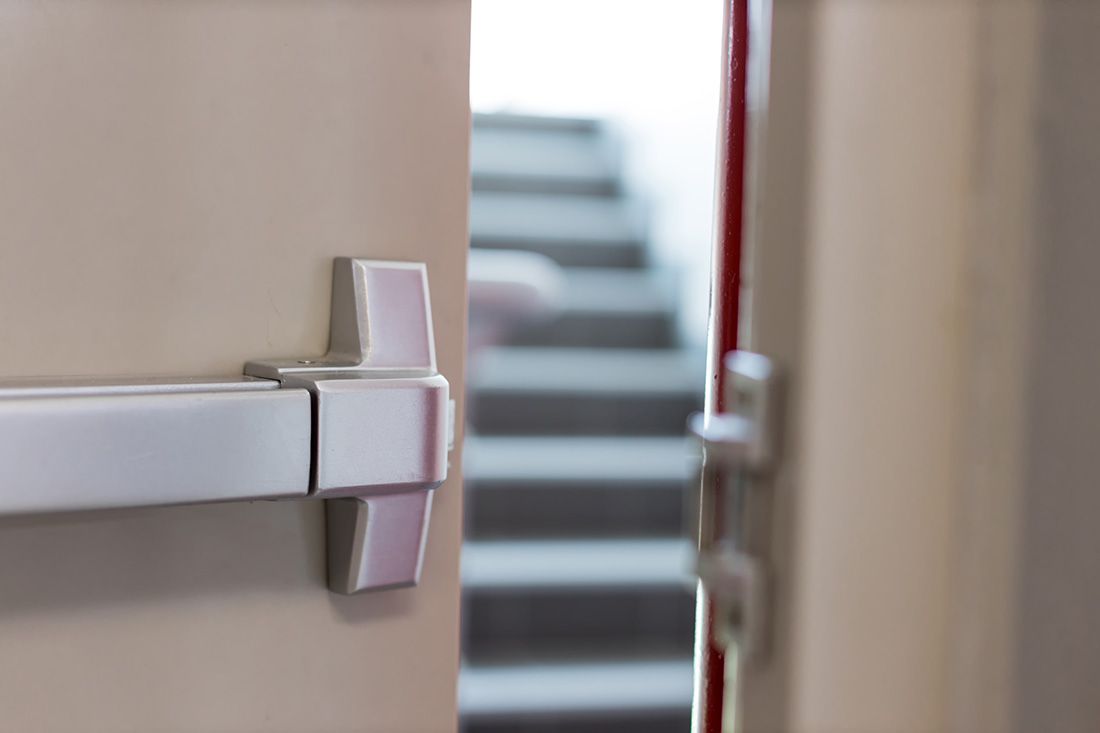
Door closers, panic bars, hinges, and locking hardware are all working parts. They wear out. A closer that's leaking fluid won't control the door properly. A worn pivot will cause the door to sag. A panic bar with internal spring failure becomes both a security risk and a code compliance issue.
Replacing hardware at the right time is far less expensive than waiting for a full system failure.
4. Weather and Environmental Exposure
NYC storefronts deal with extreme temperature swings, rain, humidity, and road salt from winter storms. Aluminum holds up well in these conditions, but sealants degrade, thresholds take on water damage, and hardware can corrode over time if not properly maintained.
Glass seals can also fail in older systems, leading to fogging, moisture intrusion, or compromised thermal performance.
5. Improper Installation
This one is worth talking about directly. A storefront door system that wasn't installed correctly from the start will fail sooner than it should. If the frame wasn't properly anchored, if the opening wasn't reinforced before installation, or if the hardware wasn't set to correct tension — problems will show up, and often sooner than expected.
We regularly receive calls from property managers and business owners dealing with recurring door issues that trace back to a poor original installation. Sometimes the right answer is a full reinstallation.
6. Impact and Forced Entry Damage
In high-traffic urban environments, storefront doors take hits. Delivery carts, vehicles, or attempted break-ins can bend frames, crack glass, and damage locking hardware. Even minor impact damage that doesn't look serious on the surface can compromise the structural integrity of the system.

Warning Signs Your Storefront Door Needs Attention
Don't wait for a complete failure. These are signs it's time to call for service:
- The door drags or scrapes along the bottom or frame
- The door doesn't fully close or latch on its own
- The closer is slow, erratic, or not pulling the door shut
- There are visible cracks or chips in the glass
- The frame looks bent, bowed, or is pulling away from the wall
- Hardware feels loose, stiff, or difficult to operate
- There is visible rust, corrosion, or water damage around the frame or threshold
Any one of these is a reason to have the door inspected. Multiple signs together mean you should act quickly.
How to Prevent Storefront Door Problems
Prevention is straightforward, and it pays off. Here's what we recommend:
Schedule Regular Inspections
A professional inspection once or twice a year catches wear and alignment issues before they become failures. For high-traffic locations, quarterly check-ins are worth considering.
Don't Ignore Small Issues
A door that's slightly off isn't a cosmetic problem — it's a mechanical one. Address small issues early and you'll avoid larger repair bills down the road.
Invest in Commercial-Grade Hardware
Residential-grade components have no place on a commercial storefront. When hardware is replaced, always spec commercial-grade closers, hinges, and locks rated for the volume your door sees.
Maintain Seals and Weatherstripping
Check door seals and weatherstripping annually. Failing seals allow moisture in, which accelerates corrosion and can damage floors and thresholds over time.
Work With an Experienced Commercial Installer
If your current system was installed incorrectly or is beyond repair, a proper reinstallation by a qualified commercial storefront door installer makes a significant difference in long-term performance.
When Repair Isn't Enough
Not every storefront door situation is a repair job. If your system is older, has been patched repeatedly, or was never properly installed to begin with, a full replacement may be the more cost-effective long-term decision.
We always give property managers and business owners an honest assessment. Sometimes we can extend the life of an existing system with the right repairs. Other times, replacement saves money over the next several years by eliminating recurring service calls.
If you're unsure which direction makes more sense, our team can come out, evaluate your system, and give you a straight answer. No pressure, no upselling — just an honest recommendation based on what we find.

Parker Custom Security: Storefront Door Repair and Installation in NYC
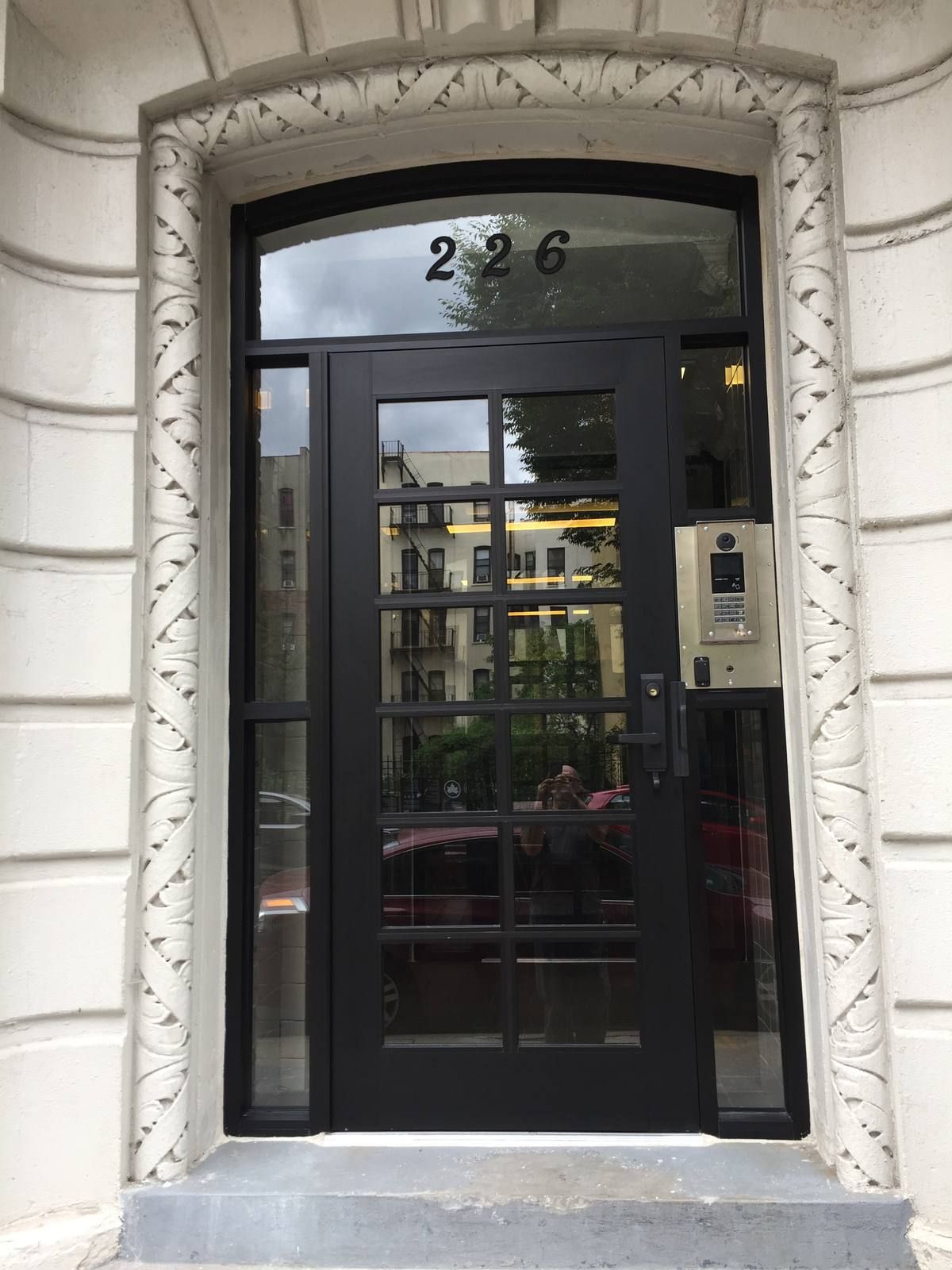
Parker Custom Security has been serving commercial properties throughout New York City, Westchester County, and Northern New Jersey since 2003. We specialize in aluminum and glass storefront door systems — installation, repair, glass replacement, hardware service , and full replacements.
We understand NYC buildings. We work in older masonry storefronts, mixed-use buildings, retail corridors, and institutional properties. Our team responds within 24 hours of service requests, and we provide clear, detailed quotes so you know exactly what your project requires.
If your storefront door is showing any of the warning signs above, give us a call. We'll come out, take a look, and tell you exactly what needs to be done.
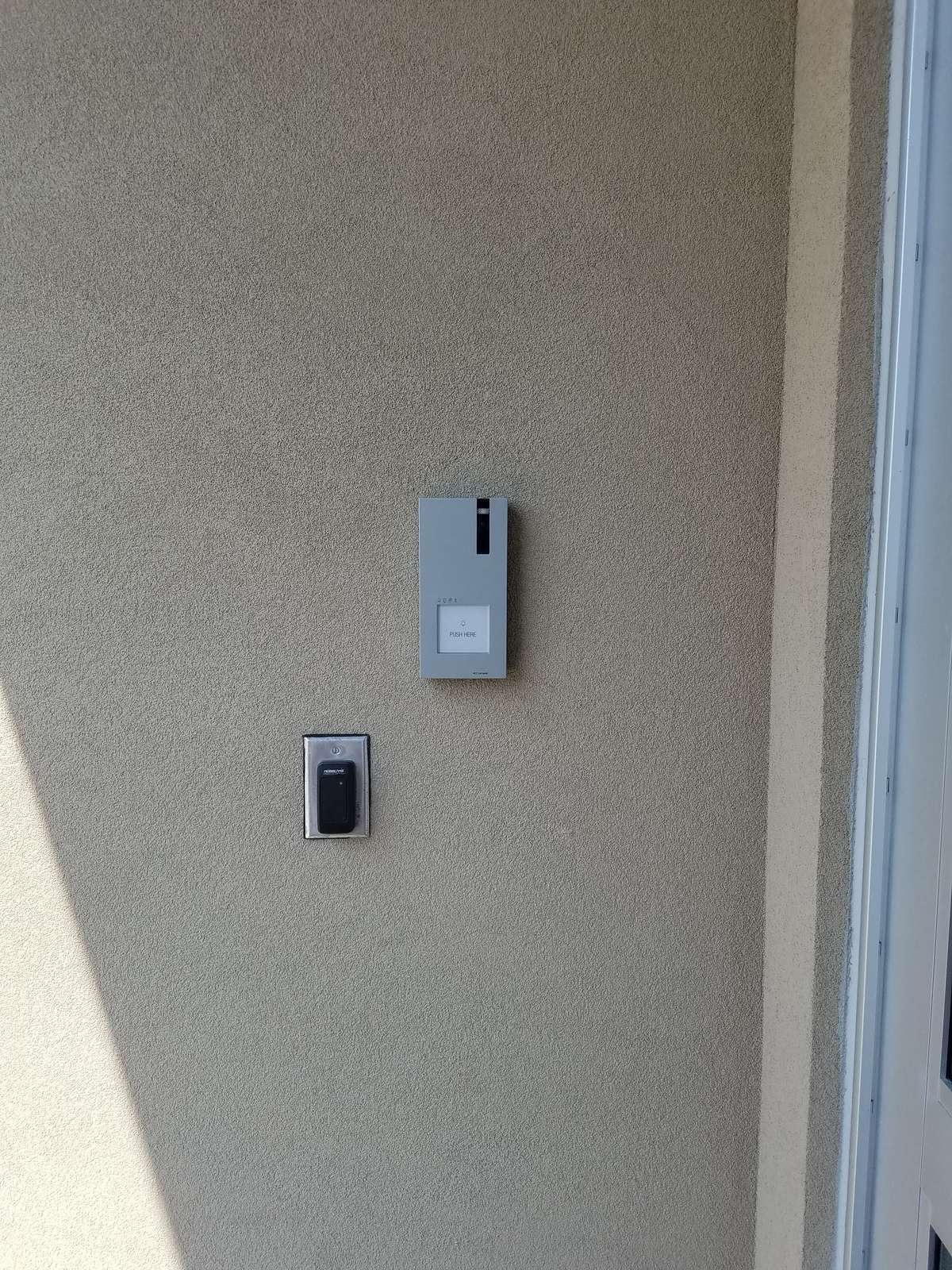
Need help with commercial door hardware repair or want to explore integrating access control with your storefront ? We handle that too.
Call (212) 491-5627 or request a free quote online. We serve Manhattan, Brooklyn, Queens, the Bronx, Staten Island, Westchester County, and Northern New Jersey.
Common Questions About Storefront Door Repair in NYC
What are the most common reasons commercial storefront doors break?
The most common causes of commercial storefront door failure in NYC are heavy daily use and wear, door misalignment or sagging, worn or failing hardware (closers, hinges, panic bars), weather and environmental exposure, improper original installation, and impact or forced entry damage. Most of these issues are preventable with routine inspections and timely repairs.
How often should a commercial storefront door be inspected?
For most commercial properties, a professional inspection once or twice a year is recommended. High-traffic locations — such as retail storefronts, restaurant entrances, or apartment building lobbies — benefit from quarterly inspections. Catching alignment issues and hardware wear early prevents more costly repairs down the road.
Can a storefront door be repaired without replacing the entire system?
In many cases, yes. If the aluminum frame is structurally sound, individual components like glass panels, door closers, hinges, panic bars, or locking hardware can be replaced independently. A full system replacement is typically only necessary when the frame itself is damaged, severely corroded, or was never properly installed to begin with.
How long does commercial storefront door repair take in NYC?
Most hardware repairs and glass replacements can be completed within a single service visit, typically within a few hours. More complex repairs involving frame realignment or structural modifications may take longer. Parker Custom Security provides a 24-hour response time from when service requests are received, minimizing downtime for your business.
What type of hardware is used on commercial storefront doors?
Commercial storefront doors require heavy-duty, commercial-grade hardware rated for high-cycle use. This includes commercial door closers, heavy-duty pivot sets or continuous hinges, panic bars or push/pull hardware, multi-point locking systems, and ADA-compliant handles and pulls. Residential-grade hardware is not suitable for commercial storefront applications and will fail prematurely under the volume of daily use.